Compression Socks for Cold Weather: What Actually Works
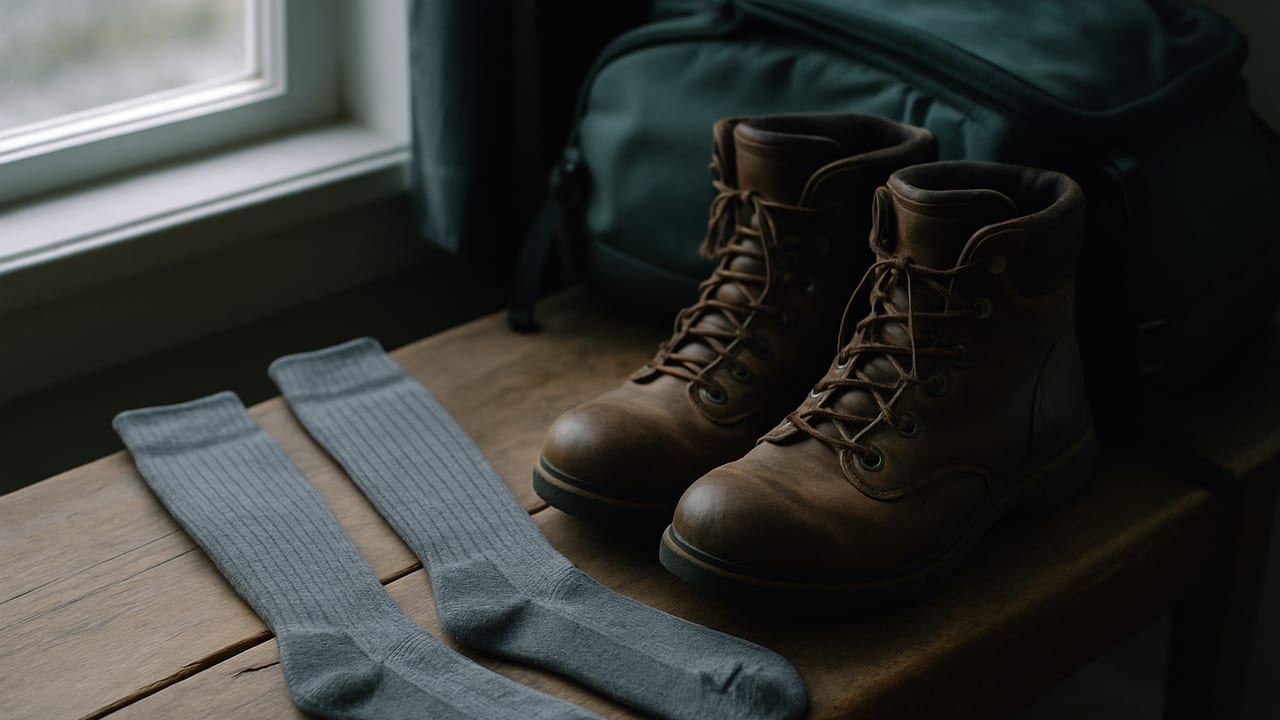
Compression socks can help keep your feet warmer in cold weather, but not by trapping heat the way a thick wool sock does. They work by improving blood flow in your lower leg, and it’s that warmer, faster-moving blood that keeps your feet from going numb on a cold travel day. The compression number on the label matters less than most listings suggest — the material and the fit around your boots matter more.
Why This Matters Before a Cold-Weather Trip
The scenario where this actually comes up isn’t standing still outside. It’s the compound problem of travel: hours sitting immobile on a flight or bus, landing somewhere cold, and then walking for most of the day before you can properly warm up. Regular socks handle neither half of that well. Compression socks, chosen correctly, address both — which is also exactly why the wrong pair (thin, low compression, synthetic) barely helps with either.
Picture a fairly ordinary shoulder-season itinerary: an overnight flight into a cold destination, followed immediately by a full day on foot before check-in even opens. By the time you’re three hours into that walk, your feet have already spent seven hours doing nothing on a plane and then several more doing everything at once outside. That’s the exact combination compression socks are built for, and it’s also the combination most travelers pack the wrong sock for — usually a cotton crew sock chosen for comfort on the plane, with no thought given to what happens after landing.
So the useful lesson here is straightforward: treat “keeps my feet warm” and “keeps my circulation moving on a long sit” as the same packing decision, not two separate ones. The right compression sock solves both at once.
Do Compression Socks Actually Keep Your Feet Warm?
Graduated compression squeezes tightest at the ankle and gradually loosens up the calf. That gradient pushes blood back toward the heart more efficiently than gravity alone manages after hours of sitting or standing still. More blood movement means more of your body’s own warmth reaches your feet, which is where the “compression socks keep you warm” claim actually comes from — it’s a circulation effect, not insulation.
That’s also the limit of what compression does on its own. A thin, all-synthetic compression sock with no insulating fiber will improve circulation and still feel cold, because the fabric itself isn’t doing much to hold heat in. The compression and the warmth are two different jobs, and a sock needs to do both to be worth packing for winter.
What Compression Level Actually Matters for Cold Weather
Compression is measured in mmHg, and travel-oriented socks usually fall into two practical bands:
- Mild (8-15 mmHg). Comfortable for a full day, noticeable circulation benefit, easiest to pull on and off without help. A reasonable default if you’re new to compression socks.
- Moderate (15-20 mmHg). The level most travel and everyday-wear compression socks are built around, and generally the sweet spot for long flights, cold days on foot, or both in the same trip.
Anything above 20 mmHg edges into medical-grade territory, usually prescribed and fitted by a doctor for a specific circulatory condition rather than bought off a shelf for a trip. Don’t assume higher is simply “more effective” — past a certain point it’s a medical decision, not a comfort one.
Material Matters More Than the Compression Number
Two socks can carry the identical 15-20 mmHg label and perform completely differently in the cold, because the number describes pressure, not warmth. Fiber content does the rest of the work:
- Merino wool blends. Insulate even when damp, regulate temperature across a wide range, and don’t hold odor the way synthetics do over a multi-day trip. The most consistently useful material for genuinely cold conditions.
- Bamboo or cotton-blend compression fabric. Soft and breathable, reasonable for mild cold or indoor travel days, noticeably less warm once you’re outside for a few hours.
- Plain synthetic (nylon/spandex) compression socks. Fine for the circulation benefit on a flight, but thin enough that they add little actual warmth once you’re on the ground in genuinely cold weather.
If you’re buying one pair to cover both the flight and the cold destination at the other end, a merino wool compression sock at 15-20 mmHg is the combination that covers the most ground — circulation support in the air, real insulation on it.
Fitting Compression Socks Under Winter Boots
This is the part most guides skip, and it’s the part that actually determines whether you’ll wear the socks past day one of a trip. A compression sock has to sit smoothly under whatever you’re putting over it, or the compression itself works against you.
- Check the shaft height against your boot. A knee-high compression sock bunching under a tight ski boot cuff creates a pressure point exactly where you don’t want one — behind the knee or at the calf muscle.
- Break the combination in at home. Wear the sock-and-boot pairing around the house before a travel day. A boot that’s fine with a regular sock can feel noticeably tighter over a compression sock’s extra thickness at the ankle.
- Mind the toe box. Compression socks are cut close through the foot. If your winter boots are already snug, sizing up half a size in the boot is often more comfortable than sizing down the sock.
Packing and Wearing Them for Cold-Weather Travel
For a trip that combines a long cold-cabin flight with cold weather on the ground, two pairs is a reasonable minimum: one to wear for the travel day itself, and a fresh pair once you’re walking around outside for multiple days in a row, since compression fabric loses some effectiveness when it’s damp from sweat or snow.
Put them on before you sit down for the flight, not after your feet have already started to swell — compression socks manage circulation, they don’t reverse hours of poor circulation after the fact. The CDC’s travel blood-clot guidance notes that graduated compression stockings measurably reduce symptomless clot risk on flights over four hours, which is the same mechanism doing double duty for warmth once you land. If you want the fuller medical picture on flying with them, including who should be more cautious, Healthline’s breakdown of compression socks for flying covers the side effects and precautions worth knowing before a long-haul trip.
Who Should Check With a Doctor First
If you have a history of blood clots, diagnosed circulatory problems, recent vein surgery, diabetes, or skin that bruises or breaks easily, get a doctor’s input on compression level before buying travel socks — this is guidance worth getting from a professional, not a gear review. For most other travelers, moderate compression in a warm material is low-risk and just a comfort and circulation upgrade for a long cold-weather travel day.
The Takeaway
Compression socks help with cold feet through circulation, not insulation, so the label’s mmHg number is only half the decision. Pick a moderate 15-20 mmHg compression in a merino wool or wool blend, confirm it actually fits under the boots you’re packing, and put it on before you sit down for the flight rather than after your feet are already cold. Do that, and the same pair earns its space in your bag for the flight and the days on the ground after it.
If you’re rebuilding your whole cold-weather packing list around this trip, our travel tips section covers the broader logistics worth planning ahead of time, and the rest of our clothing and comfort reviews covers what else earns a spot in a winter carry-on. For the liquids side of that same bag, our guide to TSA-approved toiletry bags covers what actually needs to be clear and quart-sized before you get to security.
Frequently asked questions
- Do compression socks actually keep your feet warm in cold weather?
- Indirectly, yes. Compression socks don't insulate the way a thick wool sock does — they work by improving blood flow in the lower leg, and better circulation means more warm blood reaches your feet. The effect is real but modest, and it depends on the sock also being made from a warm material, not just graduated compression alone.
- What compression level (mmHg) is best for cold weather?
- Moderate compression, 15-20 mmHg, is the common choice for travel and everyday winter wear. Mild compression (8-15 mmHg) is comfortable for a full day but does less for circulation; anything above 20 mmHg is generally a medical-grade product meant to be fitted and recommended by a doctor, not picked off a shelf.
- Can I wear compression socks with snow boots or hiking boots?
- Usually, but check the sock's height against your boot's shaft first. A knee-high compression sock can bunch under a tight ski boot cuff or a low hiking boot, which defeats the point of even compression. Try the combination at home before a travel day, not for the first time at the trailhead.
- Are merino wool compression socks warm enough for winter travel?
- For most cold-weather travel — cities, day hikes, cold flights — yes. Merino wool insulates even when damp and regulates temperature better than plain nylon or polyester compression fabric. For genuinely extreme cold, they're still a base layer, not your only layer; add a warm boot and, if needed, a liner sock.
- Do compression socks help with cold feet on long flights to cold destinations?
- They help with two separate problems at once: the circulation slowdown from sitting still for hours, and the cold cabin air that makes already-still feet feel colder. The CDC notes graduated compression stockings reduce symptomless clot risk on flights over four hours, and the same improved circulation is part of why feet feel less cold by landing.
- How long can I safely wear compression socks in a day?
- At mild-to-moderate compression (8-20 mmHg), most people can wear them for a full travel day, generally cited as up to 8-12 hours, without issue. Take them off to sleep unless a doctor has told you otherwise, and stop and loosen them if your feet go numb, tingle, or change color.
- Who should check with a doctor before wearing compression socks?
- Anyone with diagnosed circulatory issues, a history of blood clots, recent vein surgery, diabetes, or skin that bruises or breaks easily should get a doctor's guidance on compression level before buying travel compression socks. For most other travelers they're low-risk, but that's a call worth making with a professional rather than guessing.