Waterproof Hiking Shoes: Do You Actually Need Them?
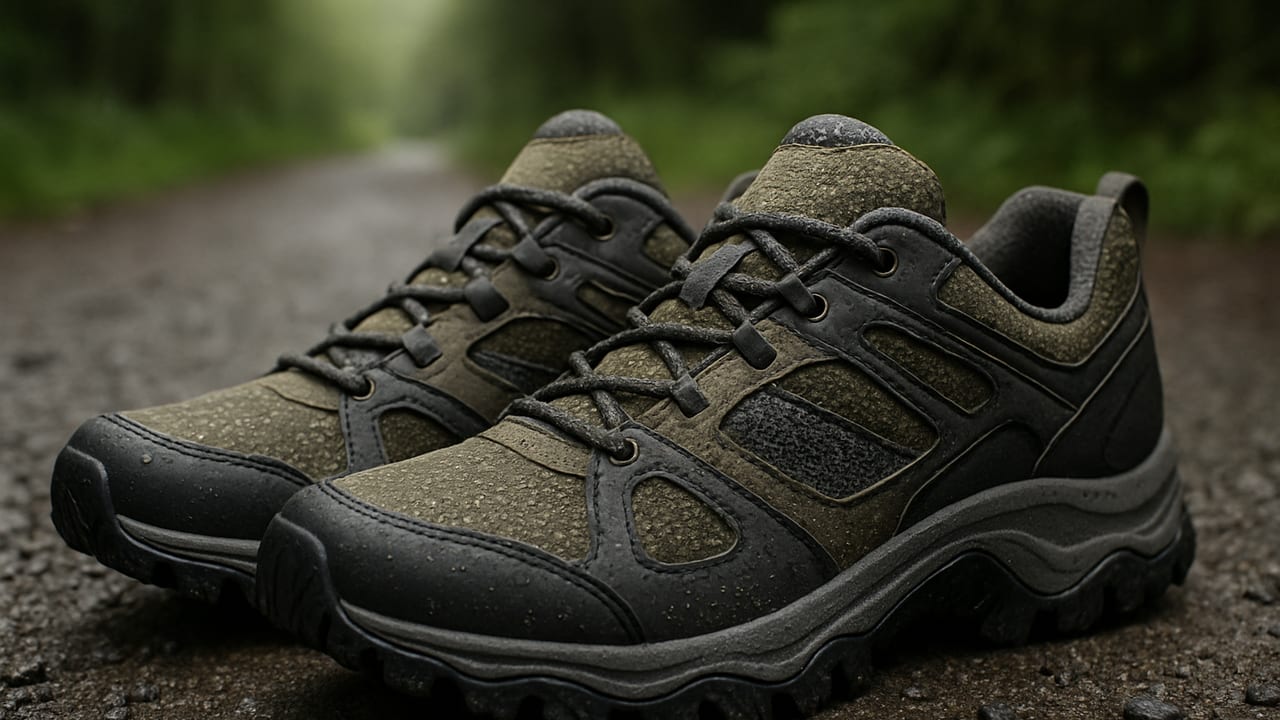
Waterproof hiking shoes use a membrane, usually GORE-TEX or a brand’s own version of it, sealed between the outer fabric and the lining, that blocks liquid water while still letting some sweat vapor escape. Whether that’s worth having comes down to where you’re actually walking: worth it for regular rain, mud, snow, or stream crossings, less useful if most of your hiking happens on dry trails in warm weather, where a breathable non-waterproof shoe is lighter, cooler, and dries out faster on the occasions it does get wet.
Why This Decision Matters Before a Trip, Not During One
Getting this wrong doesn’t ruin a hike so much as it ruins the rest of the day after it. Wet feet inside a non-waterproof shoe stay wet for hours, and a waterproof shoe that’s too warm for the climate you’re actually in leaves your feet damp from sweat instead of rain — which feels almost identical by mid-afternoon. Either mistake is the kind of thing you notice only after you’re several miles from the trailhead with no dry socks left in your day pack.
Picture a fairly ordinary two-week trip: a few days in a city with old, uneven, frequently wet streets, followed by a couple of day hikes in the surrounding hills before flying home. That’s a composite itinerary, not one specific trip, but it’s a realistic one — and it’s exactly the kind of trip where the waterproof-or-not decision gets made once, for one pair of shoes, and then lived with for two weeks straight.
So the useful lesson here is straightforward: this isn’t a question with one universally correct answer. It’s a question with a correct answer for your climate, your terrain, and how much of the trip is spent on pavement versus dirt.
How Waterproofing Actually Works
A waterproof hiking shoe isn’t just treated fabric. Underneath the visible upper is a thin membrane, most commonly GORE-TEX, built with pores small enough to stop a liquid water droplet from passing through but large enough to let water vapor — sweat — pass out. That’s the difference between a genuinely waterproof shoe and one that’s merely water-resistant:
- Waterproof. A sealed membrane between the upper and the lining, engineered to block liquid water under normal hiking conditions — rain, puddles, wet grass, shallow stream crossings.
- Water-resistant. Usually just a durable water repellent (DWR) coating on the outer fabric, with no membrane underneath. It beads off light rain for a while but won’t hold up to sustained wet conditions or standing water.
Both wear off at the surface level over time — the DWR coating is what stops beading water first, long before the membrane itself fails — which is why re-treating a pair periodically matters more than most buyers expect (more on that below).
Waterproof vs. Non-Waterproof: The Real Trade-Off
Neither option is simply better. Each solves a different problem, and each creates a smaller one in exchange:
- Breathability. A membrane that blocks liquid water necessarily limits airflow more than open mesh does. Waterproof shoes run warmer, which is an advantage in cold, wet conditions and a disadvantage in heat and humidity.
- Weight. The membrane and its lining add a modest amount of weight and stiffness compared to a mesh trail runner, noticeable over a full day on your feet more than on a short walk.
- Dry time. This is the trade-off most guides underplay. A non-waterproof shoe that gets soaked through a stream crossing dries as you keep walking, since the mesh that let water in also lets it out. A waterproof shoe that gets water in over the top of the ankle — which the membrane can’t stop, since it only blocks water from the outside in — stays wet far longer, because the same membrane now traps that water inside.
- Cost. Waterproof models typically run somewhat higher than an equivalent non-waterproof version from the same line, since the membrane is an added component, not just a coating.
Neither list makes the decision for you. It just clarifies what you’re actually trading.
When You Actually Need Waterproof Hiking Shoes
A simple way to apply the framework above:
- Climate first. Regular rain, snow, or genuinely cold conditions push the decision toward waterproof — the breathability trade-off matters less when staying dry and warm is the priority.
- Terrain second. Muddy trails, wet grass, and shallow stream crossings are exactly what the membrane is built for. Rocky, dry, well-drained trails don’t put much water in its way.
- Season third. A pair that’s the right call for a shoulder-season trip through somewhere cool and damp can be the wrong call for a summer trip through somewhere hot and dry, even on the same trail.
- How much of the trip is off-trail. If hiking is one day out of a two-week city-and-countryside trip, the calculus shifts toward whichever shoe handles the other thirteen days better — which is usually the waterproof one, for reasons covered next.
What to Check Before You Buy a Pair
Once you’ve decided waterproof makes sense for your trip, the shoe itself comes down to a handful of practical checks:
- Sizing with the socks you’ll actually wear. A membrane lining takes up a small amount of internal volume compared to an unlined shoe, and it doesn’t stretch the way mesh does. REI’s fitting guidance recommends roughly a thumb’s width of space beyond your longest toe — try the shoe on with your hiking socks, not your regular ones, before deciding on size.
- Membrane brand. GORE-TEX is the most common, but several manufacturers use their own proprietary membrane at a similar price point. The mechanism is nearly identical across brands; what varies more is the fit and last of the specific shoe it’s built into.
- Upper material. A mix of synthetic mesh and leather or suede panels is the norm in modern waterproof hiking shoes, since it balances structure with weight better than a full-leather upper does. Full leather is more durable and easier to re-waterproof over years of use, at the cost of extra weight and a longer break-in.
- Ankle height. A low-cut shoe is lighter and more versatile for everyday wear, but the membrane can’t stop water that goes in over the top — a genuine consideration for stream crossings or deep mud, where a mid or high-cut boot keeps the entry point higher than the water line.
- Price range. Reliable waterproof hiking shoes generally run somewhere in the $100–$220 range depending on brand, membrane, and materials — budget-friendly options cluster near the bottom of that band, premium backpacking-oriented models near the top.
Keeping the Waterproofing Actually Working
The membrane inside a hiking shoe typically outlasts the shoe itself. What fails first — often within a year of regular use — is the DWR coating on the outer fabric, and that failure is easy to spot: water stops beading on the surface and starts soaking in and darkening the fabric, even though the shoe is still technically keeping your socks dry underneath. REI’s waterproofing guide covers the process in more detail, but the short version is a clean, a fresh DWR treatment applied while the upper is still damp, and a slow air-dry away from direct heat. Skipping this step doesn’t make the shoe fail outright — it just means the outer fabric absorbs water and stays heavier and colder for longer, even while the membrane underneath is still doing its job.
The Travel-Specific Case for One Pair That Does Both
Most hiking-gear advice is written for people whose trip is the trail. For a traveler whose trip is a city with a hike or two built in, the calculus is a little different, and it’s the part general hiking guides tend to skip: a low-cut waterproof shoe with a reasonably clean profile can comfortably cover wet cobblestones, an unplanned downpour between a train station and a hotel, and a muddy day hike, without packing a second pair of shoes just for the trail day. That’s one less thing in a carry-on, and one less pair of shoes that only earns its space for a single afternoon of the trip.
The trade-off is the same one covered above, just applied to a different kind of day: a bit more warmth and weight than a plain walking shoe, in exchange for not caring whether the sidewalk is wet or the trail is muddy. For a mixed city-and-countryside itinerary, that trade is usually worth making.
The Takeaway
Waterproof hiking shoes aren’t automatically the better choice — they’re the better choice for wet, cold, or muddy conditions, and a worse one for hot, dry trails where breathable mesh keeps your feet cooler and dries faster if it does get wet. Decide based on where and when you’re actually going, size the shoe with the socks you’ll wear, and re-treat the DWR coating once water stops beading on the surface. Do that, and the same pair can reasonably cover a wet city sidewalk and a muddy trail on the same trip.
If you’re planning the rest of a cold-weather packing list around a trip like this, our guide to compression socks for cold weather covers what actually helps keep feet warm underneath a pair of boots. And if you’re still sorting out what goes in the carry-on before any of this gets packed, our guide to TSA-approved toiletry bags covers the one part of airport security that trips up first-timers most. For the broader logistics of planning a trip that mixes city days with time on foot, our travel tips section covers the rest of that groundwork, and the rest of our footwear reviews covers what else has earned a spot in a travel pack.
Frequently asked questions
- Are waterproof hiking shoes worth it?
- If you regularly hike in rain, mud, snow, or shallow stream crossings, yes — a waterproof membrane keeps your feet dry through conditions that soak straight through mesh. If most of your hiking happens on dry trails in warm weather, a non-waterproof shoe is lighter, cooler, and dries faster if it does get wet, which for that climate matters more.
- What's the difference between waterproof and water-resistant hiking shoes?
- Waterproof means the shoe has a sealed membrane, usually GORE-TEX or a brand's own equivalent, built to block liquid water under normal hiking conditions. Water-resistant usually just means a treated upper that beads off light rain for a while — it has no membrane and won't hold up to a puddle or a stream crossing the way a genuinely waterproof shoe does.
- Do waterproof hiking shoes make your feet sweat more?
- They can, especially in warm weather, because the same membrane that blocks water from getting in also limits how much air moves through. Modern waterproof membranes are designed to vent some water vapor, so the effect is real but modest — it's noticeably worse in hot, humid conditions than in cool or cold ones.
- How long do waterproof hiking shoes take to break in?
- Most waterproof hiking shoes need less break-in than a stiff leather boot, but the membrane and lining still add some rigidity compared to a mesh trail runner. A few short walks before a longer hike is a reasonable minimum — don't wear a brand-new pair on the first day of a trip and expect them to feel like the ones you retired.
- Can you re-waterproof hiking shoes once they stop beading water?
- Yes. The factory DWR (durable water repellent) coating on the outer fabric wears off well before the internal membrane fails, and that's usually the first sign of reduced performance — water stops beading and starts soaking into the upper. A wash and a fresh DWR treatment restores that surface effect; the membrane underneath typically outlasts several rounds of it.
- Are waterproof hiking shoes practical for everyday city walking, not just trails?
- Generally yes, and it's one of the better reasons to own a pair while traveling. The same membrane that handles a muddy trail also handles a wet cobblestone street or an unexpected downpour between a train station and a hotel, so one pair can reasonably cover both a day hike and ordinary city walking on a mixed itinerary.