Is Puerto Natales Worth Visiting? An Honest Answer
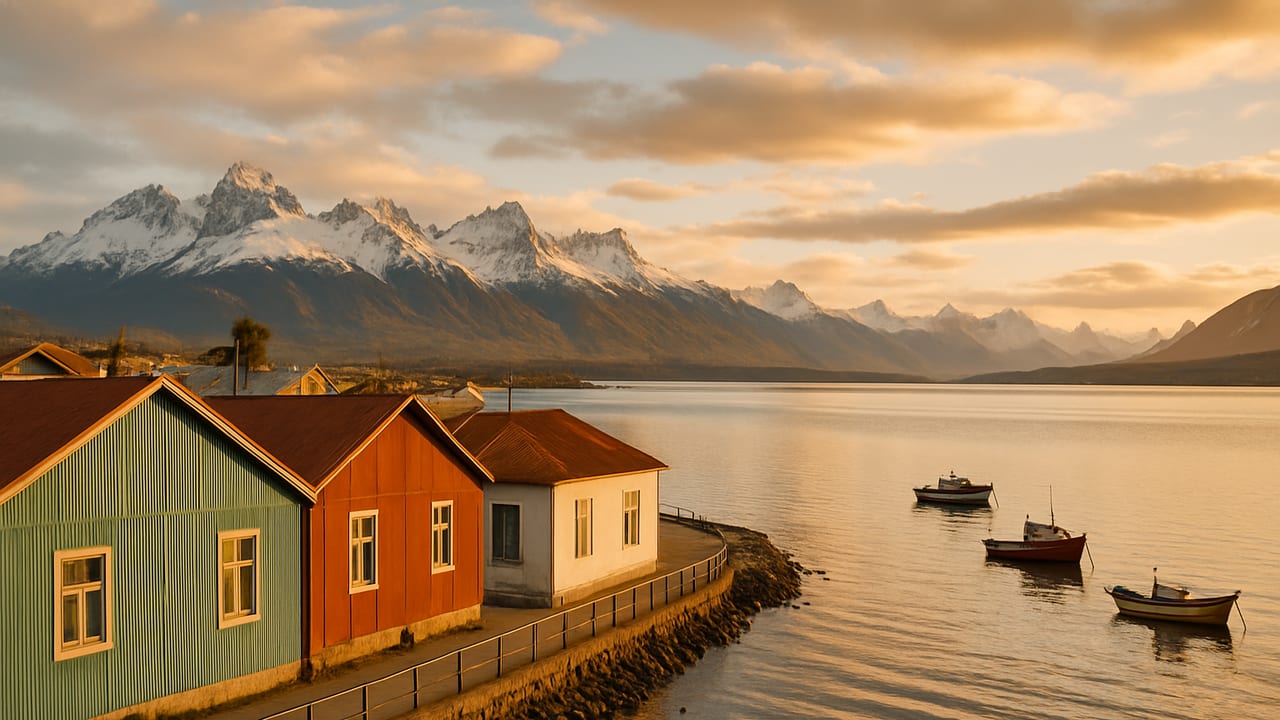
Yes, Puerto Natales is worth visiting — though how much of that “worth” comes from the town itself versus what’s around it depends on why you’re going. For most people booked to trek Torres del Paine National Park, Puerto Natales isn’t optional: it’s the last town with real infrastructure before the park, and the first with a hot shower and a proper meal after. The more useful question, and the one worth answering, is whether it deserves more than a single overnight stop on each side of that trip.
Why the “Just a Gateway” Label Undersells the Town
Puerto Natales built its reputation as a jumping-off point, and that’s accurate as far as it goes — outfitters here rent camping gear, book park transport, and store luggage during multi-day treks, and most travelers do pass through on their way to or from the park. What that label leaves out is what’s changed in the town itself over the past several years: a genuinely good food and craft-beer scene, a working waterfront that’s pleasant to walk without an itinerary, and a handful of short trips that don’t require a multi-day trek to be worthwhile.
That doesn’t make Puerto Natales a standalone destination the way Torres del Paine is. It makes it a town that rewards an extra day, not just a bed to sleep in before the real trip starts.
A Composite Case: The One-Night Stop That Became Three
Picture a fairly typical itinerary: fly into Punta Arenas, bus to Puerto Natales, one night to organize gear, five days on the W trek, one more night in town, then straight out. That’s a composite plan, not one specific trip, but it’s close to how most Torres del Paine trips actually get booked. Under that plan, Puerto Natales gets exactly two nights — one for logistics, one for recovery — and zero daylight hours spent on the town itself.
The travelers who come away saying Puerto Natales is worth visiting in its own right are usually the ones who build in a third day somewhere in that plan, with nothing scheduled. That’s the day that goes to the waterfront boardwalk, a short hike up Cerro Dorotea for the view back over the fjord, or a boat trip out to the glaciers — none of which fit into a schedule built purely around the trek.
The pattern, then, is straightforward: the same town produces two different verdicts depending on whether it gets one unplanned day or zero.
Who Puerto Natales Is Actually Worth It For
That pattern is easier to apply as a short framework than as a single yes-or-no answer:
- Trekking Torres del Paine. Worth it, not optional — you’ll be here regardless to rent gear, catch the park bus, and eat a real meal before and after. The only real decision is how many extra days to add.
- Cruising the fjords or glaciers. Also worth it. Puerto Natales is the departure point for boat trips to the Balmaceda and Serrano glaciers, and the town is a reasonable base for a few days built around that alone.
- A short Patagonia stopover with no trek planned. Worth a day, maybe two, mainly for Cerro Dorotea’s view and the waterfront — don’t expect several days of standalone sightseeing the way a bigger city offers.
- Budget travelers counting every night. Still worth visiting, but budget more for it than for most of Chile. Accommodation here runs high relative to what it delivers, especially in peak season, and it’s not the town to try to cut costs in.
- Travelers who dislike small, tourist-dense towns. Skip the extra days. Puerto Natales is compact, gets crowded with trekkers in peak season, and doesn’t offer enough beyond the outdoors draw to reward lingering if that’s not your interest.
The W Trek vs. the O Trek — Why It Changes Your Time in Town
Not every Torres del Paine trip needs the same number of nights in Puerto Natales, and the trek you’re doing is the biggest variable. The W Trek covers the park’s three signature valleys over four to five days and is the more common choice — most trekkers fly or bus in, spend one night organizing gear, do the trek, and spend one more night in town before moving on. The O Trek, or Full Circuit, adds the park’s remote back side to the same route for a total of seven to nine days, requires reserving campsites and refugios well in advance since capacity is limited, and typically means an extra planning day in town beforehand to confirm permits and pack for a longer, more self-sufficient stretch of trail.
The practical upshot: a W trekker’s Puerto Natales time is close to fixed at two functional nights, while an O trekker has more reason to arrive a day early regardless of interest in the town itself, simply to sort out logistics that the shorter trek doesn’t require. Either way, the trek dictates the minimum — anything beyond that minimum is the part actually worth deciding on.
Where to Stay, From Hostel to Splurge
Accommodation here clusters into three practical tiers, and which one you pick matters more for your budget than almost anything else on this list:
- Hostels and shared rooms. The most common choice for trekkers, generally $20-$40 USD per night for a dorm bed. Many store luggage for free while you’re on the trail, which is worth confirming before you book if you’re doing a multi-day trek.
- Mid-range guesthouses and hotels. Private rooms with real amenities, typically $100-$200 USD per night, and the tier where booking ahead matters most — Puerto Natales’ peak-season demand outstrips its mid-range supply faster than its hostel supply.
- Higher-end lodges. $150 USD and up, sometimes well up, for properties built around views of the fjord or the mountains rather than just proximity to the bus terminal.
Prices across all three tiers rise 30-50% in the December-to-February peak, and the gap between what a place charges and what it actually delivers is wider here than in most of Chile — a consequence of a small town with limited supply and a captive, trek-bound audience. Booking a month or more ahead in peak season isn’t just a suggestion; mid-range rooms in particular sell out.
What There Actually Is to Do in Town
Beyond the trek and the glacier cruises, the in-town list is short but genuine rather than padded:
- La Costanera, the waterfront boardwalk along the Señoret Channel, with views toward the mountains across the water — a reasonable way to spend an evening without planning anything.
- The Municipal Historical Museum, a small museum covering the region’s Indigenous and settler history, worth an hour if the weather turns.
- Cerro Dorotea, a two-to-three-hour hike up the escarpment above town for a panoramic view over the fjord and the Patagonian steppe toward Argentina. The trail crosses private land, and the family who owns it collects a small fee, generally a few thousand Chilean pesos for foreign visitors — Chile’s official tourism board has current trail details.
- Cueva del Milodón, a large limestone cave about 25 minutes outside town, where an 1890s discovery of a giant ground sloth’s remains put the site on the map. Tickets are bought in advance online, and pricing has shifted by season, so check the current rate before you go rather than budgeting from an old figure.
- A day cruise to the Balmaceda and Serrano glaciers, typically a half-day to full-day boat trip through the fjord with a short walk near the ice.
The food and drink scene has genuinely improved over the past several years, too — a handful of solid restaurants built around local lamb and seafood, plus a couple of craft breweries that didn’t exist a decade ago. It’s not a reason to visit on its own, but it’s a real upgrade over the basic backpacker-town food a lot of travelers expect.
One detail that catches first-timers off guard: Puerto Natales has a noticeable population of stray dogs, mostly docile and mostly more interested in napping on the waterfront than in tourists. A few will adopt a trekking group for an afternoon and then lose interest the moment something more promising walks by — which, for a town this small, tends to be another trekking group.
What Surprises First-Time Visitors
Beyond the dogs, a couple of things trip up travelers who’ve only researched Torres del Paine and treated Puerto Natales as an afterthought. The wind that defines the park doesn’t stay politely at the trailhead — it’s noticeable walking between the bus terminal and your hostel, too, and it’s worth packing a genuinely windproof outer layer for the town itself, not just the trail. And nearly every park entry ticket, glacier cruise, and even the Milodón cave now has to be booked online in advance through the park’s own ticketing platform rather than paid for at the gate, which catches travelers used to more spontaneous itineraries off guard.
How Many Days Puerto Natales Actually Needs
Two nights is the functional minimum if you’re trekking — one to organize gear and confirm transport, one to recover afterward. Three days is where the town starts to earn a verdict of its own: enough time for Cerro Dorotea or the Milodón cave on one day, without cutting into trek prep or park time. Beyond three or four days without a trek or glacier cruise on the itinerary, most travelers run out of things that genuinely need doing in town — at that point, time is usually better spent moving on toward El Calafate or further into Chilean Patagonia.
Getting There and Getting Around
Puerto Natales has its own small airport, Teniente Julio Gallardo, with direct flights from Santiago on LATAM and Sky Airline — the fastest way in if you’re not already in the region. Most travelers instead arrive overland: the bus from Punta Arenas takes roughly three hours over about 250 km, with several daily departures, and some services pick up directly at the Punta Arenas airport rather than requiring a stop in the city center. Coming from Argentina, a direct bus connects El Calafate to Puerto Natales in around five to six hours, crossing the border en route — a reasonable option if Torres del Paine is one stop on a wider Patagonia loop that continues to El Chaltén or back north to Punta Arenas for a flight out.
The town itself is small enough to walk everywhere relevant — the bus terminal, the waterfront, the outfitters, and most accommodation sit within about fifteen minutes of each other on foot. A rental car mainly buys flexibility for day trips like Cerro Dorotea or the Milodón cave, not time saved getting around town.
What It Actually Costs
Puerto Natales isn’t the place to expect Chile’s typical prices. Hostel beds generally run in the $20-$40 USD range, private rooms considerably more, and mid-range hotels commonly land in the $100-$200 USD range — both climb further in the December-to-February peak. If you’re comparing where to book, Expedia’s hotel search for the area is a reasonable place to check current rates before committing, especially outside peak season when prices move around more than most guides suggest.
Torres del Paine’s official ticketing information is the source to check before you go — the park moved to a route-based ticket system in 2026, so older fixed per-day prices you might find elsewhere are no longer current. Gear bought in town also tends to run noticeably higher than in Santiago or Punta Arenas, since nearly everything gets shipped a long way south, so arriving with what you need is the more reliable way to control the total.
One more advance-booking item worth handling before you arrive: confirm your travel insurance actually covers trekking in a national park this remote, rather than assuming a standard policy does. The U.S. State Department’s Chile travel page is a reasonable starting point for the wider safety and entry-requirement picture before you go.
When to Go
The best-weather window runs roughly October through April, with December through February the warmest and busiest. Late November, early December, and March offer a decent trade-off: solid weather with noticeably fewer crowds and lower prices than peak summer. Patagonian weather changes fast regardless of month — a clear morning can turn to wind and cloud by afternoon, and summer gusts regularly reach 60-80 km/h — so packing for four seasons in one day is standard advice here, not exaggeration. Winter, June through August, brings genuinely cold temperatures, short daylight, and some service and trail closures, and isn’t the season to visit for hiking.
Applying the Framework: A Sample Three-Day Stay
Putting the framework above into an actual plan looks something like this, for a traveler doing the W trek and adding the one extra day that turns Puerto Natales from a layover into a real stop:
- Day one — arrive and organize. Bus or fly in, confirm your park transport and any rented gear, and eat a proper dinner before an early trek start the next morning. Skip sightseeing; this day is logistics.
- Days two through five or six — the trek itself. Time in town drops to zero, aside from whatever you left in luggage storage back at your hostel.
- Day seven — recover, then explore. Use the morning to rest, then spend the afternoon on La Costanera or, if the weather’s cooperating, the Cerro Dorotea hike for the view back over the fjord you just spent days walking around.
- Day eight — the extra day. This is the one most itineraries skip. Spend it on the Milodón cave, a glacier cruise, or simply eating well and doing nothing, before moving on toward El Calafate or back north to Punta Arenas.
Swap the order around for the O trek, add a planning day before it starts, and the same basic shape holds: fixed logistics days, a recovery day, and one genuinely optional day that’s where the “is it worth visiting” question actually gets answered.
The Takeaway
Puerto Natales is worth visiting, but it’s worth visiting differently depending on why you’re there: essential infrastructure if you’re trekking or cruising the fjords, a solid extra day or two if you want to see the town itself, and probably not a multi-day destination on its own if neither applies. Budget one night for logistics on each side of a trek at minimum, add a third day if Cerro Dorotea or the Milodón cave interests you, and check official park pricing before you commit to an itinerary, since it changed structure this year.
If Patagonia’s cold, windy weather is new territory for your packing list, our guide to waterproof hiking shoes and our guide to compression socks for cold weather both cover gear decisions that matter more here than on a milder trip. For the flight and bus days on either side of it, our guide to TSA-approved toiletry bags covers the one part of packing that trips up first-timers at security most. And for more on planning a trip like this, our travel tips section and the rest of our South America destination guides cover the wider logistics.
Frequently asked questions
- How many days do you need in Puerto Natales?
- Two nights is the functional minimum if you're trekking Torres del Paine — one before to organize gear and transport, one after to recover. Three days lets you add Cerro Dorotea or the Milodón cave without cutting into trek time. Beyond four days without a trek or glacier cruise planned, most travelers run out of things that need doing in town.
- Is Puerto Natales worth visiting if you're not doing the W or O trek?
- Worth a day or two, not much more. The waterfront, Cerro Dorotea's viewpoint, and a glacier boat cruise are genuine reasons to stop even without a multi-day trek planned. Without those, or a wider Patagonia loop that passes through anyway, it's not really a standalone destination.
- What's the best time to visit Puerto Natales?
- Roughly October through April, with December through February the warmest and busiest. Late November, early December, and March offer good weather with noticeably fewer crowds and lower prices than peak summer. June through August brings cold temperatures, short daylight, and some trail and service closures.
- Is Puerto Natales expensive to visit?
- More expensive than most of Chile, relative to what you get. Accommodation runs high even at the budget end, and it climbs further in peak season. Trekking gear bought in town also costs noticeably more than in Santiago or Punta Arenas, so it's worth arriving with what you need rather than shopping for it locally.
- What are the best day trips from Puerto Natales?
- A boat cruise to the Balmaceda and Serrano glaciers is the standout, typically a half-day to full-day trip through the fjord. The Milodón cave and the Cerro Dorotea hike are both closer, easily doable in half a day each, and don't require booking a multi-day trek to justify the trip out.
- Is Puerto Natales worth visiting in the off season?
- For the town itself, yes — it's quieter, cheaper, and the waterfront and museum are unaffected by weather. For anyone planning to trek, winter (June through August) is a genuinely different trip: expect cold temperatures, short daylight, and some trails and services closed, so check current conditions before building a winter itinerary around Torres del Paine specifically.
- How do you get around Puerto Natales without a car?
- Easily — the bus terminal, waterfront, outfitters, and most accommodation all sit within about fifteen minutes' walk of each other. A rental car mainly buys flexibility for day trips like Cerro Dorotea or the Milodón cave, not for getting around town itself.