Kutaisi for Solo Travelers: What Actually Changes Alone
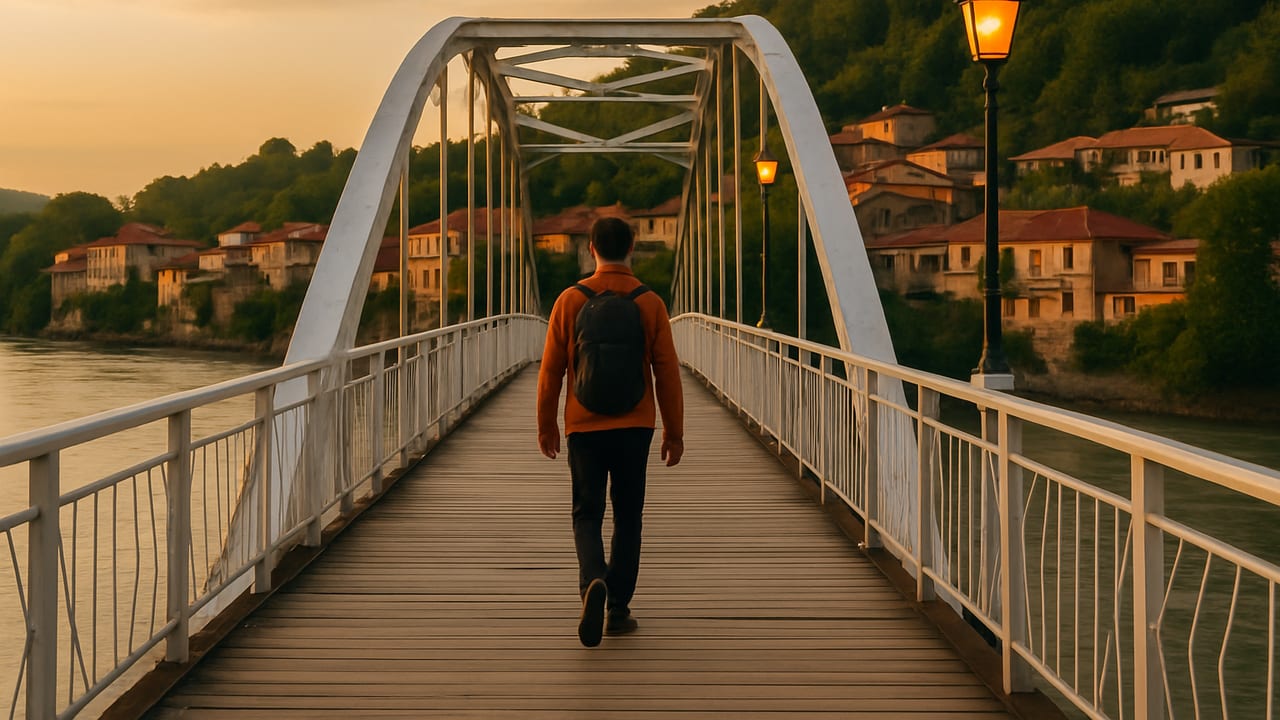
Yes, Kutaisi works well for solo travelers — the genuine complication isn’t safety, it’s that a city built around short taxi hops to scattered sights (a monastery, a cave, two separate canyons) charges a solo traveler the full fare for each one, while a group splits it three or four ways. The safety question people search for first is largely settled: Kutaisi is calm, low-crime, and manageable alone. The costs and logistics of getting to what’s actually worth seeing are the part that changes when there’s no one to share a taxi or compare notes with.
Why the Safety Question Isn’t the Real Issue Here
Search “Kutaisi solo travel” and most of what comes back is reassurance about crime rates and street safety — understandable, since that’s the first worry for anyone traveling alone in an unfamiliar country. And the reassurance holds up: Georgia ranks consistently as one of the safer countries in the region for tourists, and Kutaisi specifically has a quieter, more local feel than Tbilisi’s more heavily touristed core. Crowd-sourced safety trackers for solo female travelers rate it among the calmer Georgian cities, and it’s common to read accounts of walking back to a guesthouse after dark without incident.
That’s worth knowing, but it’s not actually the part of a solo Kutaisi trip that trips people up. The bigger gap in most general “solo travel in Georgia” guides is that they either skip Kutaisi entirely — several of the most comprehensive ones cover Tbilisi, Kazbegi, and Mestia in detail without mentioning it once — or reduce it to a line about cave monasteries. That leaves solo travelers who land at Kutaisi International Airport on a cheap Wizz Air fare, which is how a large share of visitors arrive these days, without much guidance on what changes when they’re doing it alone.
A Composite Case: The Day Trip That Cost More Than Expected
Picture a fairly common scenario: a solo traveler flies into Kutaisi on a budget fare, plans two days in the city, and wakes up on day two intending to see Prometheus Cave. That’s a composite situation, not one specific trip, but it reflects how a lot of solo Kutaisi visits actually unfold. In a group, the plan is simple — split a taxi four ways, pay a few lari each, done. Alone, the same taxi costs the same total fare, just paid by one person instead of four, and Prometheus Cave sits roughly 20 minutes outside town with no direct bus route.
The traveler in this scenario has two real options: pay the full taxi fare solo, or check whether a booked minibus tour — which pools solo travelers from different hostels into one group — works out cheaper for that specific day. Often it does, since a shared tour vehicle splits the cost across strangers the same way a travel companion would have.
That’s the pattern worth naming before you build a solo Kutaisi itinerary: the city itself is easy and safe to navigate alone, but its best sights are day trips, not walk-to attractions, and day trips are where solo travel quietly gets more expensive if you don’t plan around it.
What Actually Changes When You’re Alone in Kutaisi
Four things shift without a travel partner to split logistics, cost, or company:
- Day-trip transport costs more per person. A private taxi to Gelati Monastery, Prometheus Cave, or either canyon charges the same total fare whether it’s carrying one traveler or four. Solo, that cost lands on you alone unless you book a shared minibus tour or find others at your hostel heading the same direction.
- The city center itself needs no special planning. Bagrati Cathedral, the Green Market, and the riverside walkway are all walkable from most central accommodation, so the “how do I get around alone” worry that applies to the day trips doesn’t really apply here.
- Meeting people takes a small deliberate step, not a lot of effort. Kutaisi doesn’t have Tbilisi’s density of hostels and bars, so the social scene is thinner and more concentrated in a handful of specific properties — worth choosing on purpose rather than assuming any hostel will do.
- Mistakes cost more time to fix. With no one else to double-check an opening hour or a return marshrutka time, a wrong assumption about Okatse Canyon’s walkway hours or Gelati’s last return transport eats into a day trip that doesn’t have much slack in Kutaisi’s compact itinerary to begin with.
Where to Base Yourself for a Solo Trip
A social hostel in or near the old town is the default choice, and for a reason beyond price: it puts you within walking distance of Bagrati Cathedral and the market, and near other travelers who are, statistically, planning the same day trips you are. Shared kitchens and common areas do most of the introduction work without requiring any effort beyond showing up for breakfast. A private guesthouse room is a reasonable choice for a rest night after a day trip, but it mostly removes you from that built-in social layer on the nights you’re more likely to want it.
Splitting the Day-Trip Cost Without a Group
This is the detail that separates a smooth solo Kutaisi trip from an expensive one, and it’s the part most general solo-travel guides skip entirely. Before booking a private taxi to Gelati Monastery, Prometheus Cave, Okatse Canyon, or Martvili Canyon, check two things: whether your hostel is running or knows of a shared minibus tour that day, and whether other guests are already planning the same destination and might split a taxi informally. Prometheus Cave and the canyons, in particular, are popular enough day trips that a booked group tour is often available and usually works out cheaper per person than a solo taxi, even after accounting for the tour’s added time on someone else’s schedule. Gelati Monastery is the exception — it’s close enough and simple enough that a solo taxi there and back, or the infrequent marshrutka plus a short walk, is often still the more practical call even alone.
Getting Around Once You’re There
Kutaisi’s center is compact enough to cover on foot — the old town, Bagrati Cathedral, the Green Market, and most central accommodation sit within a 15 to 20 minute walk of each other. Gelati Monastery and Prometheus Cave both require a taxi, a booked tour, or (for Gelati only) an infrequent marshrutka, since neither sits on a regular city bus line. Ride-hailing apps operate in Kutaisi and are generally a more reliable, transparent-pricing option than flagging a taxi near the bus station, where fares quoted to obviously new arrivals run higher than the standard rate.
When to Go Alone
Spring, roughly mid-April through early June, and autumn, mid-September through early November, offer the most comfortable weather and thinner crowds — which matters slightly more solo, since a quieter hostel common room is still social but a packed one during peak summer can feel harder to break into. Winter is cheap and quiet but cuts into day-trip daylight hours, and Okatse Canyon’s suspended walkway can close temporarily in poor weather, so it’s worth checking Kutaisi’s official tourism site for current conditions before planning a winter day trip around it solo.
The Takeaway
Kutaisi is a genuinely easy, low-stress place to travel alone — the safety question that dominates most searches about it is close to a non-issue. What actually changes solo is the math on day trips: a private taxi to Gelati, Prometheus Cave, or the canyons costs the same whether one traveler pays it or four split it, so check for a shared minibus tour or other hostel guests heading your direction before defaulting to a solo taxi. Base yourself in a social hostel near the old town, budget a little more for at least one day-trip taxi than a group traveler would, and confirm return transport times before you leave in the morning, since there’s no one else along to catch it if you get one wrong.
If you’re deciding whether Kutaisi deserves any of your itinerary in the first place, our guide on whether Kutaisi is worth visiting covers that in more depth. For the canyon walkways and cave tour underfoot, our guide to waterproof hiking shoes is worth a look, and if a long budget-airline connection is part of getting there, our guides to compression socks for cold weather and TSA-approved toiletry bags cover the packing details worth getting right before a solo travel day. For a broader safety picture before you go, Travel Ladies’ Kutaisi safety page collects recent solo female traveler reports, and the U.S. State Department’s Georgia travel page is a reasonable starting point for current entry and safety advisories.
Frequently asked questions
- Is Kutaisi safe for solo female travelers?
- Yes, by most accounts — crowd-sourced safety trackers rate it among the calmer Georgian cities for women traveling alone, and solo female travelers regularly report walking back to accommodation after dark without issue. Standard precautions still apply: watch belongings at the Green Market and bus station, and confirm a taxi fare before getting in rather than after.
- Is it safe to travel alone to Kutaisi?
- Yes. Violent crime against tourists is rare across Georgia, and Kutaisi specifically has a lighter, calmer feel than Tbilisi's more touristed districts. The bigger practical risk for a solo traveler isn't crime — it's showing up at Prometheus Cave or Okatse Canyon without confirming opening hours or transport back, since there's no one else to catch the mistake.
- How do you meet other travelers in Kutaisi?
- Hostel common areas do most of the work — Kutaisi's social hostels run shared kitchens and, at some properties, informal evening hangouts for guests heading to the same day trips. A booked group tour to Gelati Monastery, Prometheus Cave, or the canyons is the reliable backup, since it puts you with the same small group for several hours.
- Is Kutaisi expensive for solo travelers?
- No — it's one of the cheaper stops in an already affordable country. Hostel dorm beds and simple guesthouse rooms are inexpensive by Western European standards, and neither charges more per person for traveling alone. Where solo travel does cost more is day-trip transport: a private taxi to Gelati Monastery or the canyons splits three or four ways in a group and doesn't split at all when it's just you.
- Do you need to speak Georgian to visit Kutaisi alone?
- No, though it helps more here than in Tbilisi. English is common at hostels and the more established restaurants, but marshrutka drivers, bus station staff, and smaller shops often speak Georgian or Russian only. A translation app and a few basic numbers cover most solo logistics — confirming a fare, asking a departure time.
- How many days should a solo traveler spend in Kutaisi?
- Two full days is enough to see the old town, Bagrati Cathedral, and one day trip such as Gelati Monastery or Prometheus Cave without rushing. Three days allows a second day trip — Okatse or Martvili Canyon — with room to actually rest between them, which matters more solo since there's no one else to help carry the pace.
- Can you get to Gelati Monastery and Prometheus Cave without a car?
- Yes, but not always cheaply alone. Gelati has an infrequent marshrutka plus a walk, or a taxi; Prometheus Cave is more reliably reached by taxi or a booked minibus tour. A solo traveler pays the full one-way taxi fare rather than splitting it, which is the main reason booked group tours are worth checking for these two sites specifically.