First Time in Puerto Natales: What to Know Before You Go
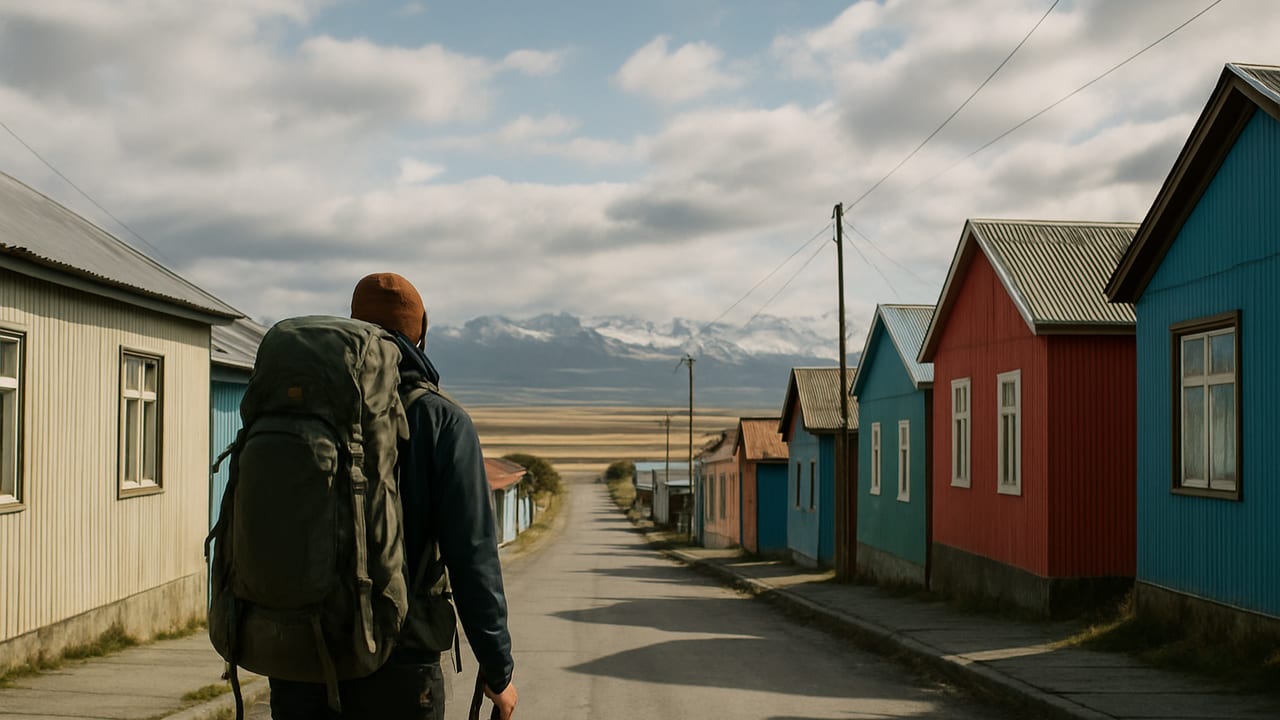
The most useful thing to know before your first trip to Puerto Natales is that it rewards planning done from home more than planning done in town. Torres del Paine’s entry tickets, the glacier cruises, and the better mid-range hotels all get booked out days or weeks ahead in peak season, cash matters more than cards, and the wind is a genuine packing consideration, not a throwaway line in a guidebook. Get those four things sorted before you land, and the rest of a first visit is fairly forgiving.
That’s the short version. Most guides to Puerto Natales are written by people who’ve already been — return visitors, longtime guides, tour operators — and they tend to skip the friction points that only show up the first time you’re standing at the bus terminal with no local currency and a phone that can’t get a signal.
A Composite First Landing
Picture a fairly typical first-timer: flying into Punta Arenas on an overnight flight, then a three-hour bus north to Puerto Natales, planning to sort out Torres del Paine tickets and a hostel once they’ve settled in. This is a composite scenario, not one specific trip, but it plays out often enough to be worth walking through.
The bus arrives mid-afternoon. The town’s one working ATM near the terminal has a line, and a second one nearby is out of cash — not unusual in peak season. The hostel they’d assumed they could book on arrival has one bed left, at a rate higher than anything they saw online. And the park ticket portal, when they finally get wifi working, shows the popular routes sold out for the next four days.
None of this ruins the trip. It just means four days get replanned around whatever’s left, instead of what was actually wanted. The lesson is straightforward: Puerto Natales isn’t unusually difficult, but it punishes the assumption that a small Patagonian town works the way a bigger, more touristed city does, where you can generally sort things out once you’re there.
Getting to Puerto Natales for the First Time
Most first-timers arrive one of two ways: flying into Punta Arenas — the region’s main airport, with regular connections from Santiago — then taking one of the frequent daily buses north, a trip of roughly three hours over about 250 km. A smaller number fly directly into Puerto Natales’ own airport, Teniente Julio Gallardo, which has direct seasonal service from Santiago on LATAM and Sky Airline and saves the bus leg entirely, though at a higher fare and with fewer flight times to choose from. Coming from Argentina, a direct bus connects El Calafate to Puerto Natales in five to six hours, crossing the border en route, which is the more common approach for anyone routing Torres del Paine as one stop on a wider Patagonia trip.
Whichever way you arrive, build in some slack. Buses run reliably but aren’t instant, border crossings from Argentina add unpredictable time, and a first-timer’s flight into Punta Arenas landing mid-afternoon can easily mean arriving in Puerto Natales after dark — which matters mainly for the ATM and cash situation below, not for personal safety. For the fuller picture on getting around once you’re actually in town, our guide to whether Puerto Natales is worth visiting covers that in more depth.
What Actually Catches First-Timers Off Guard
A few things separate a smooth first visit from a reactive one, and none of them show up clearly until you’re already dealing with them:
- How much gets decided before you land. Park entry, campsites, refugios, and the glacier cruise all run on advance booking systems now, not gate sales or same-day tour desks.
- How little the ATMs can be relied on. A town this size has a handful of machines, not a dozen, and they’re not restocked as often as a first-timer from a bigger city might assume.
- How genuinely constant the wind is. It’s not a scenic detail — it affects what you wear walking between the bus terminal and your hostel, not just what you wear on a trek.
- How little there is to improvise with. There’s no ride-hailing app operating here, gear bought locally costs more than it would in Santiago, and the town closes down more completely at night than most travelers expect.
- How many stray dogs there are. Mostly harmless and more interested in napping on the waterfront than in tourists, but worth knowing about before one adopts your trekking group for an afternoon.
What to Book Before You Leave Home
This is the checklist that matters most for a first-timer, roughly in the order it needs handling:
- Torres del Paine entry and any campsites or refugios, through the park’s own route-based ticketing system — not a fixed daily fee, and not available at the gate anymore.
- Your Puerto Natales accommodation, especially anything mid-range, since that tier sells out faster relative to supply than either hostels or high-end lodges.
- The Balmaceda and Serrano glacier cruise, if it’s on your list — it sells out independently of the park’s own booking system and on its own schedule.
- Travel insurance that actually covers trekking this remote, rather than assuming a standard policy does; this is worth confirming with your provider directly, not guessing from the policy summary.
Torres del Paine’s official ticketing page has the current process and pricing — the system changed in 2026, so older flat per-day figures still floating around other guides aren’t reliable anymore.
Money, Connectivity, and the Small Stuff No One Mentions
Two practical details rarely make it into a “top things to do” list, and both matter more for a first-timer than almost anything on this page.
Cash still runs this town more than cards do. Card machines exist at most hostels and restaurants, but connectivity drops enough that outfitters and smaller places often ask for cash first. Withdraw more than you think you’ll need for the next few days rather than planning to top up as you go — the ATMs near the bus terminal are the most reliable, and they’re also the ones most likely to run low during the December-to-February peak.
Coverage is patchy in town and gone on the trail. An eSIM or a Chilean SIM picked up in Santiago or Punta Arenas covers basic messaging in Puerto Natales itself, but don’t expect a signal once you’re on the W or O trek. Download offline maps and let anyone expecting to hear from you know in advance that a few days of silence is normal, not a problem.
What to Pack for a Town That Has Four Seasons a Day
Patagonian weather doesn’t wait for a season to change its mind — a clear morning can turn to wind and sideways rain by early afternoon, with summer gusts regularly hitting 60-80 km/h. Layering matters more here than almost anywhere else in South America, and it applies to walking around town, not just trekking.
A genuinely windproof outer layer is worth prioritizing over an extra pair of shoes, and our guide to waterproof hiking shoes covers what actually holds up on wet Patagonian trails versus what a spec sheet promises. For the cold, our guide to compression socks for cold weather covers a detail that matters more on long trekking or bus days than most first-timers expect. And for the flights on either end of the trip, our guide to TSA-approved toiletry bags covers the one part of packing that trips people up at security most often.
How Many Days First-Timers Should Plan For
Two nights is the functional minimum if you’re trekking — one to organize gear and confirm transport, one to recover afterward. Three or four days is where a first-timer gets a genuine feel for the town itself, not just a bed before and after the park. We’ve covered the fuller breakdown, including who Puerto Natales is and isn’t worth extra time for, in our guide to whether Puerto Natales is worth visiting.
If you’ve got a spare day and want it filled with something specific rather than open-ended wandering, our guide to day trips from Puerto Natales breaks down the options that don’t require a multi-day trek to justify the trip out.
A Simple First 24 Hours in Puerto Natales
Applying all of this to an actual arrival day looks something like:
- Land and get cash first. Before anything else, find a working ATM and withdraw enough for a few days — don’t leave this until you need it.
- Confirm what you’ve already booked. Check your park tickets, accommodation, and any pre-arranged transport are actually in order, rather than assuming a confirmation email means everything’s settled.
- Eat a proper meal and get warm layers sorted. The wind picks up in the evening more often than not, and a decent dinner is a better use of a travel-worn first evening than trying to squeeze in sightseeing.
- Save the waterfront and Cerro Dorotea for tomorrow. Arrival day is for logistics, not the parts of town actually worth lingering over.
The Takeaway
A first trip to Puerto Natales goes smoothly for one main reason: whether the traveler treated it like a place where the trip gets planned mostly in advance, or a place they could figure out once they landed. Book the park tickets and any glacier cruise before you leave home, carry more cash than feels necessary, pack for wind before you pack for cold, and the town itself is genuinely easy to handle once you’re there. Everything else — the stray dogs, the four-seasons-in-an-afternoon weather, the small-town pace at night — is easier to enjoy once the logistics aren’t still hanging over you.
Frequently asked questions
- Do I need to book Torres del Paine tickets before I arrive in Puerto Natales?
- Yes. The park moved to an online, route-based reservation system, so entry, campsites, and refugios all need booking in advance rather than being sold at the gate. Showing up without a reservation in peak season risks being turned away entirely, not just paying more.
- Is Puerto Natales safe for first-time and solo travelers?
- Generally yes — it's a small, low-crime town built around outdoor tourism, and walking between the bus terminal, hostels, and the waterfront after dark is routine for solo trekkers. The real risks here are weather-related (wind, cold, sudden trail conditions) rather than personal safety, so check current conditions rather than treating this as a safety-city question.
- Do I need a lot of cash, or do cards work in Puerto Natales?
- Carry more cash than you think you'll need. Card machines exist but go down often enough that outfitters and smaller restaurants ask for cash first, and the town's few ATMs can run out during peak season or charge steep withdrawal fees. Withdraw what you expect to need for a few days rather than relying on topping up as you go.
- Should I buy a Chilean SIM card before I arrive?
- An eSIM or Chilean SIM bought in Santiago or Punta Arenas is worth having, since Puerto Natales' own coverage is patchy and disappears completely once you're on a trek. Don't count on it for anything beyond basic messaging in town, and don't count on it at all inside the park.
- What's the biggest mistake first-time visitors make in Puerto Natales?
- Treating it as a spontaneous, book-it-when-you-land destination. Park tickets, glacier cruises, and mid-range accommodation all sell out days or weeks ahead in the December-to-February peak, and a first-timer who plans to sort logistics after landing often finds the trip reshaped around whatever's still available rather than what they actually wanted.
- Do I need to worry about altitude in Puerto Natales?
- No — the town sits at essentially sea level, and even the W and O treks stay well below altitudes that cause altitude sickness. The physical challenge here is wind and cold endurance, not thin air, which is worth knowing since altitude prep is what a lot of first-timers pack for by mistake.
- What should I plan to do on my first day in Puerto Natales?
- Keep it to logistics, not sightseeing. Confirm your park transport and any rented gear, withdraw cash, and eat a proper meal before an early start the next day — the waterfront and Cerro Dorotea are better spent on a day that isn't also your arrival day.