Is Salento, Colombia Worth Visiting? A Straight Answer
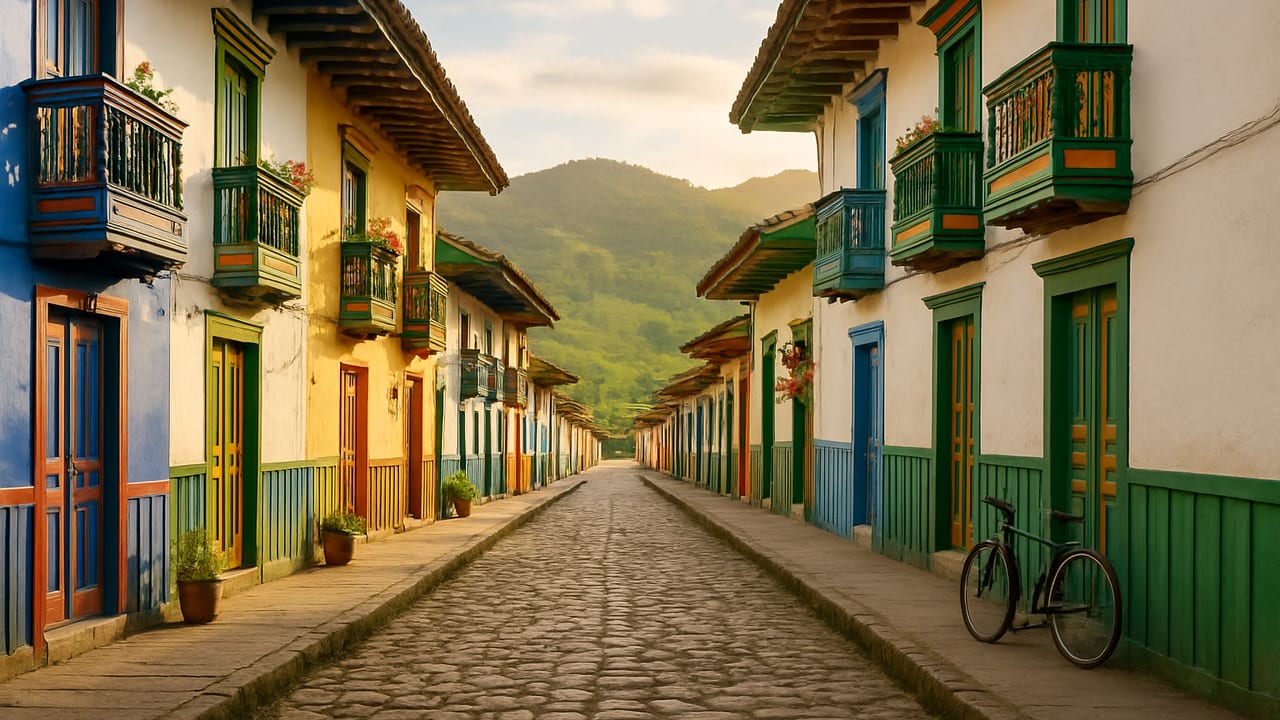
Yes, Salento is worth visiting — the Cocora Valley hike and the surrounding coffee farms are reason enough on their own, and the town wrapped around them is pleasant rather than merely convenient. The more useful question is how much of it is worth visiting: whether this is a one-night stop on a bigger Colombia loop, or a base worth three or four days in its own right.
Why Salento Keeps Showing Up on Every Colombia Itinerary
Salento sits in Quindío, in the heart of Colombia’s coffee-growing region, about 24 km from Armenia. It’s the most-visited base town for two things travelers build entire Colombia trips around: the UNESCO-listed Coffee Cultural Landscape that surrounds it, and the Cocora Valley, home to wax palms that grow taller than any other palm species on Earth and stand as Colombia’s national tree. That combination — a genuine hiking destination plus a working coffee region you can tour on foot or horseback — is rare enough that Salento’s popularity isn’t really a mystery.
What’s easier to miss from a quick search is that the town itself holds up on its own terms. Salento’s core is a handful of blocks of two-story colonial buildings in saturated blues, yellows, and greens, built around a central plaza that still functions as an actual town square rather than a backdrop. It’s small — a few thousand residents — and walkable end to end in under fifteen minutes, which matters if you’re deciding whether a multi-day stay makes sense or whether a single afternoon covers it.
A Composite Case: The Day Trip That Turned Into Three Nights
Picture a fairly common plan: fly into Armenia from Bogotá, take a shared jeep in for a single afternoon in Salento, then move on toward Medellín the next morning. That’s a composite itinerary, not one specific trip, but it’s close to how a lot of first Colombia visits get scheduled when Salento is treated as a day trip from the coffee-region hub rather than a stop worth its own nights.
The travelers who come away saying Salento was one of the better parts of their trip are usually the ones who didn’t do that. The Cocora Valley loop alone runs 5-6 hours if you do the full 12 km hike out to the Acaime hummingbird reserve and back, which doesn’t leave room for anything else that day. Add a coffee farm tour the next morning — Finca El Ocaso and Finca Don Elias are the two most commonly recommended — and a single afternoon has already stretched into two full days before Filandia, the waterfalls, or the plaza’s evening food-truck scene even come up.
That’s the pattern worth remembering before you book anything: Salento’s single biggest attraction takes most of a day by itself, and everything else on the list needs its own time slot on top of that.
Who Salento Is Actually Worth It For
That pattern turns into a short framework more easily than a single yes-or-no verdict:
- Hikers and anyone doing Cocora Valley. Worth it, not optional — the wax palms and the hummingbird reserve are the main reason most people come, and the hike deserves a full, unrushed day rather than a rushed morning before a bus out.
- Coffee travelers. Also worth it, and worth more than one farm tour if you have the time — Don Elias and El Ocaso offer genuinely different experiences (small family operation versus a larger, more polished tour), and comparing them is part of the appeal.
- A quick stop on a bigger Colombia loop. Worth a half-day to a full day for the plaza, a viewpoint climb, and lunch — skip the multi-night stay if Cocora Valley isn’t on your list, since the town’s other draws thin out fast without it.
- Slower, base-yourself-somewhere travelers. Genuinely well suited to it. Salento’s cool mountain climate, walkable core, and cluster of finca stays make it a reasonable place to settle for four or five days rather than treat as a checklist stop — closer to the “live somewhere for a while” style of travel than a rushed sightseeing pass.
- Anyone who dislikes weekend crowds. Time it around a weekday visit if you can. Salento’s plaza and main street get genuinely packed on weekends and Colombian holidays, when day-trippers pour in from Armenia and Pereira.
What There Actually Is to Do
Beyond the Cocora Valley hike and coffee tours already covered, the rest of the list is real rather than padded to fill a guidebook:
- The Alto de la Cruz viewpoint, a roughly 20-minute climb up a staircase behind the plaza for a panoramic view over the coffee hills — a reasonable way to spend a late afternoon without booking anything.
- Calle Real, the main shopping street, for handicrafts and the town’s best concentration of cafés — worth a slow wander rather than a quick pass-through.
- Tejo, Colombia’s traditional bar game involving throwing metal discs at gunpowder-packed targets, played at a handful of local spots and best experienced with a local guiding you through the rules the first time.
- A Filandia day trip, a smaller, quieter coffee town about 20 minutes away by jeep, with its own colorful streets and a taller mirador tower — a good half-day add-on if Salento’s crowds start to wear thin.
- Trout dinners and the evening food-truck scene on the plaza, where trout — the regional specialty — shows up grilled, fried, or stuffed at prices well below what the same fish costs at a sit-down restaurant.
- Santa Rita waterfall and horseback riding, both bookable half-day add-ons through local operators if the hike and the farm tour don’t fill your schedule.
Getting There and Getting Around
Salento has no airport of its own. Most travelers fly into Armenia or Pereira — both under an hour by air from Bogotá or Medellín — then finish the trip by bus or shared taxi, generally 30-45 minutes depending on the airport and traffic. Direct overland buses from Bogotá or Medellín exist and run 7-9 hours; they only make sense if Salento is one stop on a longer road trip rather than the sole destination.
Inside town, everything worth walking to is within about ten minutes on foot. For trips outside it — to Cocora Valley, Filandia, or the coffee fincas — shared jeeps called willys depart from the plaza and cost a few thousand Colombian pesos each way, cheap enough that renting a car buys flexibility you’re unlikely to need.
What It Actually Costs
Salento is inexpensive by international standards, though it’s no longer the rock-bottom budget stop it once was. A hostel dorm bed generally runs $10-20 USD a night, a private room in a mid-range guesthouse $40-80 USD, and a coffee-region finca stay built around views rather than proximity to the plaza $80 USD and up. A full coffee farm tour typically costs $10-15 USD, and a round-trip willy to Cocora Valley runs only a couple of dollars — the cost that adds up fastest is stacking every optional tour rather than any single item on the list.
If you’re comparing where to stay, Expedia’s hotel search for the area is a reasonable way to check current rates before committing, particularly since demand — and pricing — climbs noticeably around Colombian holiday weeks and the December-to-March dry season.
Is Salento Too Touristy Now?
Busier than it used to be, and it shows most on weekends and around Colombian holidays, when the plaza and main street fill with day-trippers bused in from Armenia and Pereira. Some of that popularity traces back to Salento’s colorful buildings being widely cited as an inspiration for Disney’s Encanto, which brought a wave of visitors who’d never previously heard of Quindío’s coffee region.
That said, weekday mornings still feel close to the quieter town most guides describe — the crowds are real, but they’re concentrated in predictable windows rather than constant. Visiting midweek, or arriving early enough in the morning to beat the day-trip jeeps out to Cocora Valley, gets you close to the experience travelers describe from a decade ago.
When to Go
The dry seasons — December through March, and July through August — offer the best hiking conditions in Cocora Valley and the most reliable weather for coffee farm tours, most of which happen outdoors. Salento sits at roughly 1,895 meters (6,200 feet), so mornings run cool even in the warmer months; layering matters more here than the “coffee region” label might suggest. Rain is possible year-round regardless of season, so packing a rain layer isn’t optional even during the drier months. January specifically is worth avoiding if budget matters: Colombian holiday travel pushes accommodation prices up and availability down across the whole coffee region.
Applying the Framework: A Sample Three-Day Stay
Putting the framework above into an actual plan looks something like this, for a traveler treating Salento as a real stop rather than a rushed pass-through:
- Day one — arrive and settle in. Fly into Armenia, take a shared jeep or taxi into town, and spend the afternoon on Calle Real and the Alto de la Cruz viewpoint. Low effort by design, since altitude and travel fatigue both hit harder than expected on day one.
- Day two — Cocora Valley. An early start beats both the midday crowds and the afternoon rain that’s common even in the dry season. Budget the full day; the 12 km loop out to the hummingbird reserve and back takes most travelers 5-6 hours.
- Day three — coffee and Filandia. A morning farm tour at Don Elias or El Ocaso, then an afternoon jeep out to Filandia for its own colorful streets and mirador, a quieter contrast to Salento’s weekend crowds.
Add a fourth day for horseback riding, the Santa Rita waterfall, or simply resting at altitude if you’re not in a hurry to move on toward Medellín or the rest of the coffee region.
The Takeaway
Salento is worth visiting, and worth more than the single rushed afternoon a lot of Colombia itineraries give it — the Cocora Valley hike alone is close to a full day, and the coffee farm tours reward slowing down rather than checking one box. Budget three to four days if you want the hike, at least one farm tour, and Filandia without rushing any of them; a half-day to a full day is enough if Cocora Valley isn’t on your list at all. Time your visit around a weekday if crowds bother you, and check current travel guidance for Colombia for the rest of your route, since Salento’s own risk profile is mild but other parts of the country vary.
If the Cocora Valley hike is the main draw for your trip, our guide to waterproof hiking shoes and our guide to compression socks for cold weather both cover gear that matters more on a muddy, cool-morning mountain trail than the “coffee country” label suggests. For the flights in and out through Armenia or Pereira, our guide to TSA-approved toiletry bags covers the one packing detail that trips up travelers at security most. And if Patagonia or another multi-week South America route is also on your list, our guide to Puerto Natales and the rest of our South America destination guides cover the wider planning.
Frequently asked questions
- How many days do you need in Salento?
- Three to four days covers the town's real draws without padding: one for the Cocora Valley hike, one for a coffee farm tour and the colorful streets, and a spare day for a Filandia day trip or simply resting at altitude. Two days works if you're tight on time, but it means choosing between the hike and the farm tour rather than doing both unrushed.
- Is Salento safe to visit?
- Yes, day to day — Salento itself isn't flagged in Colombia's current areas of concern, and most visitors' only real hazard is a muddy trail or an aggressive stray dog on the Morrogacho hiking route. Colombia as a whole still has regions under active travel advisories, so it's worth checking current guidance for wherever else your trip includes before you build a full itinerary around it.
- Is Salento too touristy now?
- Busier than it was a decade ago, and visibly so on weekends and around Colombian holidays, when the plaza fills with day-trippers from Armenia and Pereira. Weekday mornings still feel closer to the sleepy coffee town of its reputation. It's touristy in the sense of crowded at peak times, not touristy in the sense of losing what made it worth visiting.
- How do you get to Salento from Bogotá or Medellín?
- Fly into Armenia or Pereira — both have direct flights from Bogotá and Medellín in under an hour — then finish the trip by bus or shared taxi, roughly 30-45 minutes from either airport. There's no airport in Salento itself. Direct overland buses from Bogotá or Medellín run 7-9 hours and only make sense if you're already traveling that route by road.
- Do you need a car in Salento?
- No. The town itself is small enough to walk end to end in about ten minutes, and shared jeeps called willys handle every trip outside town — to Cocora Valley, Filandia, or the coffee fincas — for a few thousand pesos each way. A rental car adds cost and parking hassle without buying you anything a willy doesn't already cover.
- What is Salento actually known for?
- The Cocora Valley's wax palms — the tallest palm trees in the world and Colombia's national tree — and the surrounding coffee farms that produce some of the country's best-known beans. The town's colorful colonial architecture gets its own share of attention too, partly because it's widely cited as an inspiration for the look of Disney's "Encanto."
- Is Salento expensive?
- Not by Colombian standards, and cheap by North American or European ones. A hostel dorm bed runs $10-20 USD, a shared jeep ride a dollar or two, and a full coffee farm tour around $10-15 USD. The main way to overspend is stacking every tour and activity in the guidebooks; picking two or three rather than all of them keeps a multi-day stay genuinely cheap.