Puerto Natales for Solo Travelers: A Practical Guide
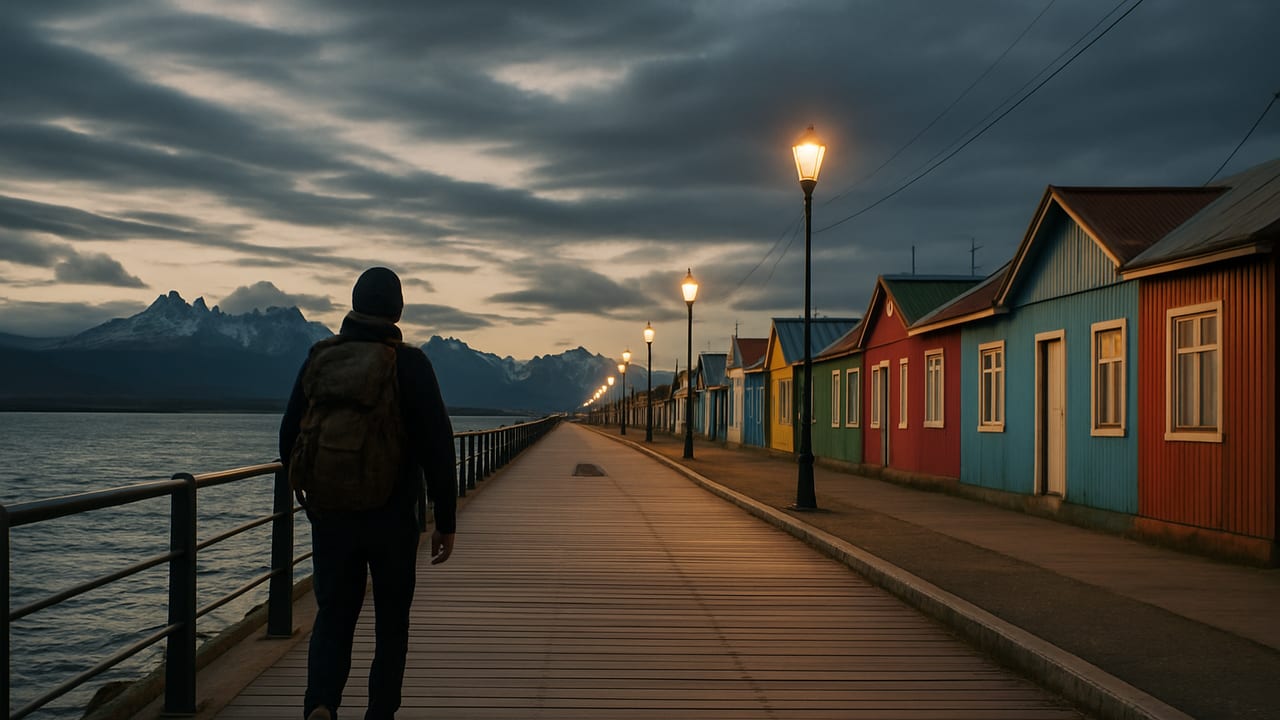
Yes, Puerto Natales works well for solo travelers — it’s arguably easier alone than as a couple or group, since the town’s entire infrastructure (hostel dorms, individually bookable refugios, seat-by-seat bus tickets) is built around one traveler at a time rather than pairs. The real question isn’t whether you can do it solo. It’s what changes when you do — what gets easier, what gets more expensive, and how you handle the stretches, like a multi-day trek, where you won’t have anyone else deciding things with you.
Why Puerto Natales Is an Easier Solo Base Than It Looks
A small town at the edge of a national park sounds like the kind of place where traveling alone might feel exposed — limited services, few people around, nothing to fall back on if something goes wrong. Puerto Natales is closer to the opposite. It exists almost entirely to process trekkers coming and going from Torres del Paine, which means the businesses here are used to serving one person at a time: a hostel dorm bed, a single bus seat, a spot on tomorrow’s glacier cruise. You’re not an inconvenient party of one. You’re the default customer.
That matters more here than in most towns, because a lot of the friction of solo travel elsewhere — restaurants built for groups, hotel rooms priced per room rather than per person, tours that assume you’ll pair up with a roommate — mostly doesn’t apply.
A Composite Case: The Trek Booked Two Weeks Out, Alone
Picture a fairly common scenario: a traveler arrives in Puerto Natales with four days free and no trekking partner lined up, having decided a few weeks earlier to do the W Trek regardless of whether anyone else was available. That’s a composite situation, not one specific trip, but it reflects how a lot of solo Patagonia trips actually get booked. The refugios and campsites along the route are reserved individually online, the bus to the park entrance sells seats rather than requiring a group booking, and the trail itself is well-marked enough that route-finding isn’t really a factor. The traveler ends up on a shared boat crossing at Lake Pehoé with six strangers, shares a refugio dining table with four more that night, and finishes the trek having spent most days walking alone and most evenings not.
That’s the pattern worth naming: going solo controls how much of the day is spent alone, not whether the trip works. The infrastructure fills in the rest.
What Actually Changes When You’re Traveling Alone Here
Four things shift when there’s no travel partner splitting the logistics, the cost, or the decision-making:
- Planning lands entirely on you. Permits, refugio bookings, weather calls, and gear checks don’t get divided across two people’s attention. Building in a full day in Puerto Natales before a trek starts — to double-check reservations and pack calmly rather than rushed — matters more solo than in a pair, where one person can often handle logistics while the other packs.
- Some things cost more, some don’t. Overnight add-ons booked through tour operators — an extra night tacked onto a multi-day excursion, a private room upgrade — often carry a single-occupancy supplement, generally an extra 15-30% over the per-person rate a pair would pay. Hostel dorms, W trek refugios, and campsites don’t work this way; they charge per bed or per person regardless of group size, so a solo trekker’s nightly cost is identical to a couple’s split cost. The distinction is worth knowing before you assume solo travel here costs proportionally more across the board — mostly it doesn’t.
- Meeting people takes a small amount of effort, not a lot. Nobody arrives at a refugio to find a built-in social scene waiting. But hostel common areas, shared trekking-prep briefings, and group day tours put you in a room with the same handful of people for hours at a stretch, which does most of the work of turning strangers into trail company.
- Safety margin depends more on preparation than on company. Puerto Natales itself is low-crime and low-hassle by most accounts — the kind of place where a phone left on a café table tends to still be there. The bigger variable solo is the outdoors: Patagonian weather changes fast, and a solo trekker without a partner to double-check gear or flag a problem needs to be more deliberate about telling someone their route and expected return time before setting out.
Getting Cash Right Before You Need It
This is the detail most general Patagonia guides skip, and it matters more solo than with a group splitting the burden of remembering it: Puerto Natales has ATMs, but they’re not universally reliable, and several park-adjacent services — some campsite fees, smaller outfitters, and a portion of what you’ll spend inside Torres del Paine itself — still lean cash-first or charge a card surcharge. Withdraw more than you think you’ll need in town before heading into the park, since there’s no ATM inside it, and don’t assume every refugio or shuttle desk takes a card without checking first. A solo traveler running low on cash mid-trek has no one else’s card to fall back on, which is a small thing until it isn’t.
Where to Base Yourself for a Solo Trip
A hostel dorm is the default for a reason beyond price — it’s also the fastest way to end up around other solo travelers without doing anything deliberate to arrange it. Beds generally run $20-40 USD a night, many include free luggage storage while you’re on the trail, and the better ones run a short daily briefing for anyone heading into the park the next day, which doubles as an easy way to compare notes with other solo trekkers about routes and weather. A private room, by contrast, mostly removes you from that built-in social layer — worth it for a rest day after a multi-day trek, less so for the nights you’re actually hoping to meet people.
Applying This: A Simple Four-Day Solo Framework
- Day one — arrive and get organized, alone. Confirm your park transport, gear, and refugio reservations without anyone else to lean on. This is the day cash logistics matter most; withdraw what you need for the trek before you leave town.
- Day two through four or five — the trek. Expect long solo stretches on trail broken up by shared refugio evenings. Don’t force company if you’d rather walk in silence; the trail doesn’t require it either way.
- Day five or six — back in town, recover. A hostel common area or the waterfront boardwalk is a low-effort way to spend a recovery day around people without planning anything.
- Day six or seven — a group day tour, if you want one more social touchpoint. The glacier cruise or a full-day park tour puts you with the same small group for most of a day, useful if the trek itself was quieter than expected.
The Takeaway
Puerto Natales isn’t just workable for solo travelers — its whole infrastructure of individually bookable beds, seats, and trek permits is arguably better suited to one traveler than to a pair trying to coordinate. Budget for the places solo travel genuinely costs more (single supplements on tour add-ons), skip worrying about the places it doesn’t (dorms, refugios, campsites), and carry more cash than feels necessary before heading into the park, since that’s the detail solo travelers can’t split with anyone else if they get it wrong.
For the gear that matters most on a multi-day solo trek, our guides to waterproof hiking shoes and compression socks for cold weather cover the packing decisions worth getting right before you’re on trail alone. If you’re still deciding how many days the town itself deserves, our guide on whether Puerto Natales is worth visiting and our list of the best day trips from Puerto Natales both cover that in more depth. For the wider safety and entry-requirement picture before you go, the U.S. State Department’s Chile travel page is a reasonable starting point, and Torres del Paine’s official ticketing page has the current park reservation process, since it moved to a route-based system in 2026.
Frequently asked questions
- Is Puerto Natales safe for solo female travelers?
- Yes, by most accounts it's one of the more relaxed towns in Chile for solo female travelers — petty crime is low and locals are used to trekkers arriving and moving through alone. The bigger risk here isn't crime, it's the outdoors: unpredictable Patagonian weather and remote trail conditions matter more than what happens in town after dark.
- Is it hard to travel Patagonia alone?
- Not really, and in some ways it's easier than traveling with a group — buses, tours, and refugio dorms are all built around individual bookings rather than pairs or groups. The main adjustment is logistics: more of the planning (permits, transport timing, gear) falls on you alone rather than getting split across travel companions.
- Can you do the W trek by yourself?
- Yes, and plenty of people do. The trail is well-marked, refugios and campsites are staffed and bookable individually, and you're rarely more than a few hours from another hiker or a staffed hut. Solo trekkers still need to book accommodation along the route in advance, the same as anyone else — availability, not company, is the real constraint.
- How do you meet other travelers in Puerto Natales?
- Hostel common areas and shared kitchens do most of the work, especially the hostels that run daily briefings for trekkers heading into Torres del Paine. Group day tours — the glacier cruise or a full-day park tour — are a reliable second option, since you're stuck together on a bus or boat for several hours with the same small group.
- Do I need to speak Spanish to visit Puerto Natales alone?
- No, though a little goes a long way. English is common at hostels, tour desks, and restaurants that deal with trekkers daily, but bus terminal staff and smaller shops lean more Spanish-only. Basic numbers and a few travel phrases cover most solo logistics — buying a bus ticket, confirming a departure time, asking where something is.
- Does traveling alone cost more in Puerto Natales?
- In some places, yes — organized day tours often charge a single supplement, typically an extra 15-30% for solo occupancy on overnight add-ons. In others, no — hostel dorms, W trek refugios, and campsites all charge per person regardless of group size, so a solo trekker pays the same nightly rate as someone splitting a room.