Where to Stay in Puerto Natales, Chile: A Practical Guide
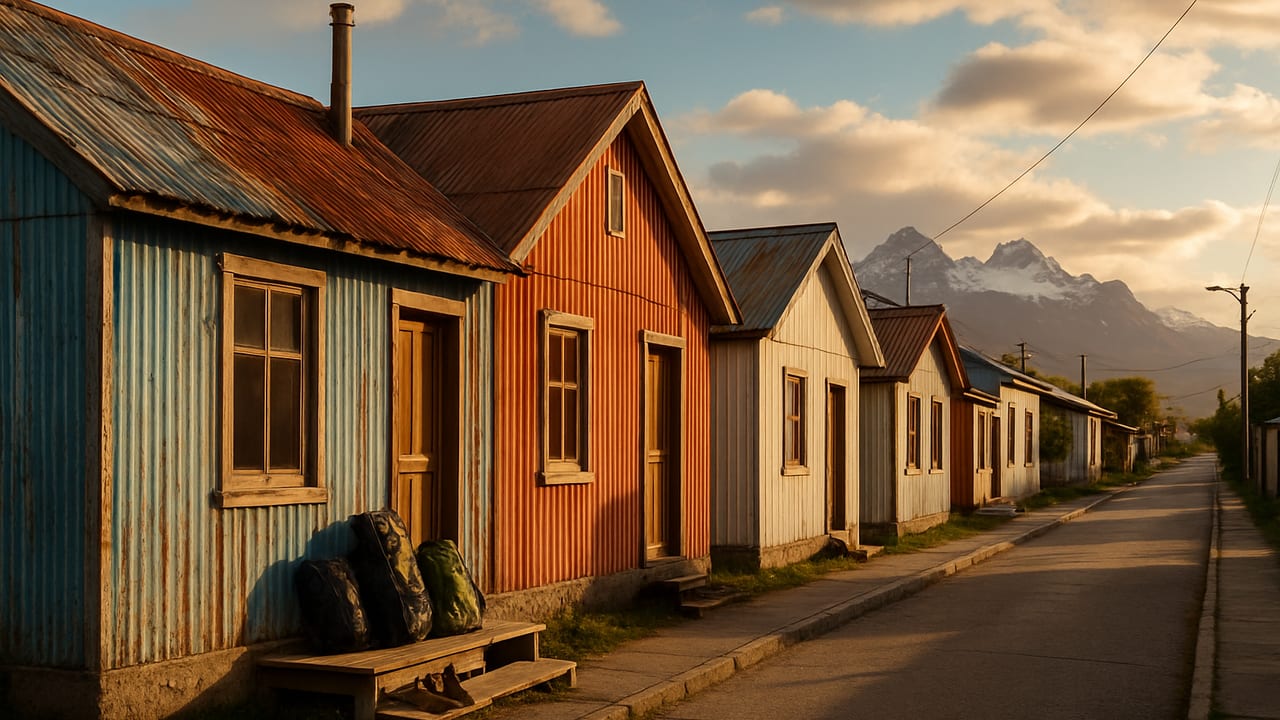
Puerto Natales is compact enough that “which neighborhood” isn’t really the question worth spending time on — the whole town is walkable in under twenty minutes end to end, so what actually determines a good stay is price tier, how far your accommodation is from the bus terminal, and how far ahead you book relative to the season. Get those three right and it barely matters which street you’re on.
Why “Which Neighborhood” Is the Wrong Question Here
Puerto Natales grew up along the Seno Última Esperanza (Last Hope Sound), and the town itself is small — a compact grid a few blocks deep, centered on the Plaza de Armas and running down to the waterfront Costanera. There’s no equivalent of choosing between a city-center hotel and a suburb 40 minutes out by metro. Every listed hotel, hostel, and guesthouse in town is within a short walk of the plaza, the supermarket, and the restaurants along Eberhard and Bulnes streets.
That changes the actual decision. Instead of picking a neighborhood, you’re really choosing between staying in town (the vast majority of options) or staying at one of a handful of lodges several kilometers north toward the park entrance, which trade town convenience for a shorter drive and a view of the mountains from your window. For most trips, in town is the right call, and the rest of this guide treats it as the default.
To put a number on “compact”: walking from the Plaza de Armas to the Costanera waterfront takes about five minutes, and from the plaza to the Rodoviario bus terminal takes roughly ten to fifteen, depending on exactly where you start. Nothing in the town center is genuinely inconvenient to reach on foot, even with a full pack — the one variable worth paying attention to is which end of that short walk your accommodation sits on.
A Composite Case: Two Bookings for the Same 6 A.M. Bus
Picture two travelers booking the same departure — a composite scenario built from a pattern that shows up often, not one specific trip. Both are catching the first bus into Torres del Paine to start the W trek. The first books the cheapest dorm bed she can find, a few blocks past the plaza on the far side of town from the terminal. It’s a fine hostel. It’s also a fifteen-minute walk with a full pack, in the dark, into a headwind that hasn’t read the forecast.
The second books a similarly priced room two streets from the terminal instead — nothing special, just close. He’s checking his pack onto the bus while she’s still three blocks out.
Neither made a mistake exactly, but only one of them optimized for the thing that actually mattered that morning. The lesson translates directly: price and comfort matter, but so does thinking about the one or two moments in your stay — an early bus, a late arrival, a heavy pack — where a few minutes of walking distance is worth more than almost anything else on the listing.
The Framework: What Actually Decides Where You Stay
Run a booking through these four questions before worrying about anything cosmetic in the listing photos.
- What’s your budget tier? Puerto Natales runs the full range from hostel dorms to five-star lodges, and each tier buys something specific — see the breakdown below.
- Do you have an early or late bus to catch? If yes, proximity to the Rodoviario (the main bus terminal, a few blocks from the plaza) is worth prioritizing over almost any other feature.
- How far out are you booking, relative to the season? December through February fills up fast; the rest of the year is far more forgiving.
- Are you trekking and need somewhere to store a bag? Confirm luggage storage before you book if you’re leaving a “town bag” behind for a multi-day trek.
Puerto Natales by Price Tier
Budget hostels (dorm beds typically in the $25-35 USD range, private rooms somewhat more) cluster near the plaza and along the streets leading down to it. Wild Hostel and Yagan House Hostel are two of the more consistently recommended names in this tier, both offering the usual mix of dorms, a shared kitchen, and a common area that doubles as a place to compare trail notes with other trekkers the night before you start. This tier is where nearly every solo backpacker and W-trek hiker on a tight budget ends up, and it’s genuinely serviceable — not a compromise so much as the default choice here.
Mid-range hotels and guesthouses (roughly $100-160 USD) add a private bathroom, breakfast, and generally a quieter building than a hostel dorm. Hotel Costaustralis, on the waterfront with sound views from the upper floors, and boutique-leaning spots like Vinnhaus sit in this bracket. It’s the right tier for a couple or a small group who wants their own space without paying for a spa.
Boutique and luxury lodges ($250-500+ USD) are mostly clustered a few kilometers outside the town center rather than downtown. The Singular Patagonia, built into a restored early-1900s wool-processing plant at Puerto Bories just north of town, and Remota Patagonia Lodge are the two most frequently cited names in this bracket — both lean into architecture and mountain views as much as the amenities themselves. If you want an actual view of the Torres del Paine range from your room rather than from a tour bus window, this is the tier and the location where that’s realistic.
How Much Booking Lead Time Actually Changes the Price
Within any of the three tiers above, the gap between a rate booked a month out and one booked the week of isn’t fixed — it depends entirely on the season. In December through February, waiting until the last minute doesn’t just risk a higher price; it risks no availability at all, since Torres del Paine’s own trekking demand fills budget hostels and mid-range hotels together. In the shoulder months and winter, the same last-minute booking is usually fine and rarely costs more than booking ahead would have. If you’re traveling in peak season, lock in your tier of choice early rather than assuming the flexibility that works fine in April will also work in January.
In Town vs. Near the Park
A handful of lodges — mostly the luxury tier above — sit 5 to 15 km outside Puerto Natales toward the park, rather than in it. That’s a genuinely different trade-off than staying inside Torres del Paine itself: you still get the shorter drive to the park entrance, but you keep a car or shuttle between you and dinner, and you lose the ability to walk to a restaurant on a whim. It’s worth it for travelers who’ve already decided they want the lodge experience; it’s an unnecessary complication for anyone whose priority is simply being close to the trek’s starting point.
Staying inside the park itself — at one of the refugios along the W or O trek — is a separate decision again, and a pricier one. Refugios and campsites inside Torres del Paine are run by private concessionaires rather than the town’s hotels, and operators like Vertice Patagonia open their own booking windows on a separate schedule from anything in Puerto Natales, often months ahead of the summer season. If your trip is a multi-day trek rather than a day visit, budget time to sort that booking independently — it doesn’t happen through the same channels as a hotel room in town.
Two Things Most Guides Skip
Luggage storage while you’re on the trail. If you’re doing the W or O trek, you don’t want your full duffel of city clothes riding along in your pack. Most hostels and hotels in Puerto Natales will hold a bag for the days you’re gone — often free for guests, sometimes for a small fee — but it’s not universal, so confirm it at booking rather than showing up assuming it’s covered. This is one of the more useful questions to ask before you commit to a property, right alongside the price.
Cabañas and short-term apartment rentals. Hotel- and hostel-focused guides tend to skip this option entirely, but Puerto Natales has a decent supply of self-catering cabañas and apartments on the usual booking platforms, and they’re worth a look for groups of three or more, or anyone staying four-plus nights. A kitchen cuts your food budget noticeably in a town where restaurant prices lean toward tourist rates, and splitting a two-bedroom cabaña between three or four people frequently undercuts the per-person cost of separate hostel beds. It’s a less social option than a hostel dorm, which is exactly the trade-off some travelers are looking to make.
Applying It: Matching the Stay to the Trip
A solo trekker on a tight budget, catching a 6 a.m. bus, wants a hostel bed within a few blocks of the terminal and a confirmed luggage-storage policy — not the best-reviewed hostel in town if that one happens to be twenty minutes from the bus. A couple with a mid-range budget and no early departure can prioritize the waterfront view instead, since walking distance stops mattering once the bus isn’t leaving at dawn. A group of four splitting costs is usually better off in a cabaña with a kitchen than in four separate hostel beds, both financially and for the sanity of anyone who’s tired of restaurant menus by day three. And a traveler treating this as a once-in-a-while splurge trip has a genuine case for one of the lodges near Puerto Bories, as long as they’re comfortable trading a walk-to-dinner town base for the view.
The Takeaway
Skip the neighborhood question — Puerto Natales doesn’t really have one. Pick your budget tier first, weigh it against whether you have an early bus to catch, and book with enough lead time for the season you’re traveling in. Confirm luggage storage if you’re trekking, and consider a cabaña over a hostel if there are three or more of you. That’s the whole decision, and it holds up better than anything more complicated.
If you’re still deciding whether the trip is worth planning at all, our guide to whether Puerto Natales is worth visiting covers that groundwork, and our day trips from Puerto Natales guide is the natural next stop once you’ve got a base booked. Timing your stay against the best time to visit also affects how far ahead you’ll need to book — the two decisions aren’t really separate. On the packing side, a pair of genuinely waterproof hiking shoes and a TSA-approved toiletry bag cover most of what you’ll actually need regardless of which tier you book. If you’re heading into the park itself, Chile’s official park pass system is where entry reservations are actually made, separate from any hotel booking. And when you’re ready to compare current rates in town, Expedia’s hotel search for Puerto Natales is a reasonable place to start.
Frequently asked questions
- Is it better to stay in Puerto Natales or inside Torres del Paine National Park?
- For most trips, Puerto Natales. It's significantly cheaper, has far more choice, and keeps you close to buses, gear shops, and restaurants. Staying inside the park saves a two-hour drive each way, which matters if you're doing a multi-day trek from a specific refugio, but it's a genuinely different, pricier trip — not simply a nicer version of the same one.
- How many nights should I book in Puerto Natales?
- Two nights is enough if the town is purely a launchpad for a day trip or the start of a trek. Three to four gives you a buffer day for weather or a delayed bus and time to see the town itself. Add extra nights only if you're also visiting further-out stops like the Milodón Cave or building in a rest day after multiple trekking nights.
- Do I need to book accommodation in advance in Puerto Natales?
- In December through February, yes — book at least a month out, since budget hostels and mid-range hotels both fill up alongside Torres del Paine's own reservation system. In the shoulder months and winter, a few days' notice is usually enough, and same-day availability isn't unusual outside peak season.
- Does it matter which part of Puerto Natales I stay in?
- Not much — the whole town is walkable in under 20 minutes end to end. The one exception is an early-morning bus to Torres del Paine, where a few minutes' walk to the terminal is worth more at 6 a.m. than any view from your room.
- Can I leave luggage in Puerto Natales while I'm trekking?
- Yes. Most hostels and hotels in town will hold a bag for the days you're on the trail, often free for guests and sometimes for a small fee otherwise. Confirm it when you book rather than assuming, since policies and any charge vary by property.
- Is Puerto Natales an expensive place to stay?
- It's inexpensive by Patagonia standards. A hostel dorm bed typically runs well under what a mid-range hotel room costs, and both sit far below what the handful of luxury lodges near town charge. It's one of the more affordable bases in the region precisely because it isn't inside the park.