Waterproof Travel Backpack: What to Actually Look For
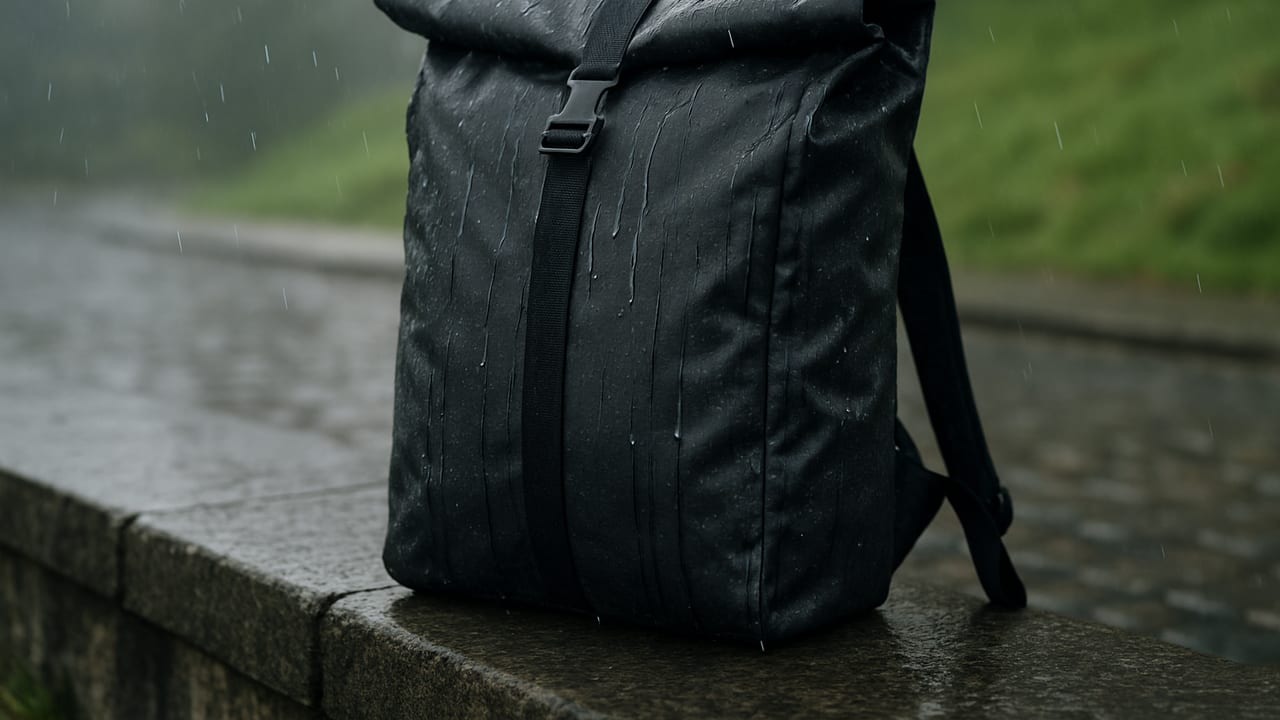
A genuinely waterproof travel backpack is less common than the label suggests — most bags sold as “waterproof” are actually water-resistant, meaning they’ll shrug off rain for a while but won’t survive being soaked through or dropped in a puddle. The real question isn’t whether a backpack is waterproof; it’s whether you need a bag that can take full submersion, or one that just needs to handle ordinary weather without you thinking about it.
Why Getting This Wrong Costs You More Than a Damp Shirt
The stakes here aren’t dramatic, but they’re real. A laptop, a passport, or a camera that gets wet inside a bag that only looked waterproof doesn’t just cause an inconvenient afternoon — it can end a trip’s usable electronics on day two of a three-week itinerary, with no easy fix available until you’re back home.
Picture a fairly typical shoulder-season trip: a few days in a city known for sudden, heavy rain, followed by day trips into the surrounding hills where trails cross streams more than once. Kutaisi, in Georgia’s Caucasus region, is a reasonable stand-in for that kind of itinerary — it’s one of the wetter cities in the Caucasus outside its driest months, and a day trip from there can easily involve an unplanned river crossing. A traveler packing a “water-resistant” daypack for that trip, confident because the listing used the word “waterproof” somewhere in the description, finds out exactly how far that confidence carries them the first time the bag sits in ankle-deep water at a river crossing. That’s a composite scenario, not one specific trip, but it’s the exact situation where “water-resistant” quietly turns into “wet” by the second day, and where a bag that’s actually waterproof earns its extra weight.
So the useful lesson is this: match the bag to the actual conditions, not to the word “waterproof” on the listing. A rain jacket and an afternoon drizzle call for water-resistant. A boat transfer, a stream crossing, or a rainy season with no dry days in the forecast calls for something built to handle full exposure, not just deflect it.
Waterproof vs. Water-Resistant: What the Label Actually Promises
These two terms get used almost interchangeably in marketing copy, but they describe genuinely different construction:
- Water-resistant bags use a treated fabric — usually a durable water repellent (DWR) coating over standard nylon or polyester — with conventional stitched seams and regular zippers. Light rain beads off for a while. Sustained rain, a dunk, or standing water gets through the stitching and the zipper teeth eventually.
- Waterproof bags use a coated or laminated fabric (often TPU-coated ripstop, tarpaulin, or heavy PVC) with seams that are welded or taped rather than just stitched, closed with either a rolltop or specifically water-resistant zippers. Built correctly, these keep water out even when the bag is fully soaked or briefly submerged.
The clearest way to tell which one you’re actually looking at is the IPX rating, when a listing bothers to include one. It comes from the IEC 60529 standard for ingress protection, and the number tells you what the bag is actually rated to survive: IPX4 means protection against splashing water from any direction, IPX6 means powerful jets of water, and IPX7 means full submersion in roughly a meter of water for up to 30 minutes. Most travel backpacks marketed as genuinely waterproof land in the IPX6–IPX7 range. A listing that says “waterproof” with no IPX number attached is worth reading skeptically — it’s very often water-resistant wearing a stronger word.
The fabric itself also varies more than most buyers realize, and the differences show up in weight and price as much as in durability:
- TPU-coated ripstop nylon is the most common material on mid-range waterproof packs — a thin polyurethane laminate bonded to a ripstop base fabric. It’s light, reasonably durable, and the main reason a 35-liter waterproof pack can still weigh close to what a non-waterproof equivalent does.
- Tarpaulin and sailcloth-style fabrics trade some weight for noticeably higher abrasion resistance, which is why they show up more on packs built for backcountry or expedition use than on everyday travel bags — the extra durability matters more when the bag gets dragged over rock or dropped on concrete regularly.
- PVC-coated fabric is the heaviest and least expensive of the three, common on budget rolltop dry bags. It holds up fine to water but is stiffer and less packable than TPU-coated nylon, which matters if the bag needs to compress down for a flight rather than just sit in a kayak.
None of these fail at keeping water out under normal use. What changes is how the bag feels to carry and how well it survives years of being thrown into overhead bins and hauled over uneven ground — worth checking against how the bag will actually spend most of its time, not just the one trip that justified buying it.
Closure Type Matters as Much as the Fabric
The fabric gets most of the attention, but the closure decides how the bag behaves day to day, and it’s the part most buyers don’t think about until they’re already using one:
- Rolltop closures — folding the top over itself two or three times and clipping it shut — are the most reliable way to keep water out, since there’s no zipper for water to work through. The trade-off is access: everything lives in one large compartment, so finding a specific item means partially unpacking, and the closure eats a few inches of usable height depending on how many times you fold it.
- Water-resistant zippers, usually a coated version of a standard zipper with a flap or gasket behind the teeth, keep most of a backpack’s normal organization — front pockets, a separate laptop sleeve, external straps — while still handling sustained rain reasonably well. They’re not rated for submersion the way a rolltop’s clipped seal is, and the zipper itself is usually the first point where an otherwise waterproof bag eventually lets water in.
Neither closure is simply better. A rolltop is the right call for a boat trip, a rainy trek, or anything involving a real chance of submersion. A water-resistant zippered pack is the better everyday travel bag if you’re moving in and out of it constantly and don’t expect anything worse than sustained rain.
Matching the Bag to the Trip, Not Just the Rating
A waterproof rating tells you what the bag can survive. It doesn’t tell you whether the bag actually fits how you travel, and that’s a separate decision worth making deliberately:
- A daily commuter or laptop bag rarely needs full submersion protection — a 20–25 liter water-resistant zippered pack with a padded sleeve covers an unpredictable commute or a city day without the bulk of a genuinely waterproof build.
- A mixed city-and-outdoors trip, the kind covered in the story above, is where a 30–35 liter waterproof pack with water-resistant zippers earns its keep — enough capacity for a week of clothing, with real weather protection but still organized enough to find things without unpacking the whole bag.
- A boat transfer, a multi-day trek, or anything with a real chance of submersion is the one situation where a 35–45 liter rolltop dry-bag-style pack is worth the access trade-off covered above. Anything less than a genuine rolltop seal is a gamble in that scenario, not a minor compromise.
Buying the biggest, most heavily rated bag “to be safe” is usually the wrong instinct — it just means carrying more weight and less day-to-day convenience than the trip actually requires.
What to Check Before You Buy
Once you know roughly how much water exposure your trip actually involves, narrowing down a specific bag comes down to a few practical checks:
- Fabric and seams. Look for a coated or laminated fabric — TPU-coated ripstop nylon and tarpaulin-style material are the two most common — with welded or taped seams rather than plain stitching. Stitched seams, even on an otherwise coated fabric, are a reliable weak point in sustained rain.
- IPX rating, if listed. IPX6 or IPX7 signals genuine waterproofing; no rating at all usually means water-resistant, whatever the listing calls it.
- Laptop protection. A dedicated, padded laptop sleeve matters more than the overall waterproof rating if electronics are what you’re actually protecting — some rolltop dry-bag-style packs skip a separate sleeve entirely, leaving a laptop loose in the main compartment.
- Zipper quality, on zippered models. A water-resistant zipper should have a molded rubber or urethane coating over the teeth and, ideally, a storm flap behind it. A standard zipper with just a “water-resistant” label and no visible coating is usually the weakest point on the whole bag.
- Back panel and harness comfort. Waterproof fabric doesn’t breathe the way mesh does, so a padded, slightly channeled back panel matters more here than on a standard travel backpack — a flat waterproof panel against your back gets uncomfortably warm and damp from sweat on a longer walk, which somewhat defeats the point.
- External attachment points. Daisy chains, compression straps, or lash points let you carry a wet tent, damp shoes, or a rain jacket outside the main compartment instead of packing them wet against everything else — a small feature that matters disproportionately on a genuinely wet trip.
- Capacity for the trip. 20–25 liters suits a daypack or laptop commuter bag; 30–35 liters covers a mixed city-and-outdoors trip; 35–45 liters is the more common range for a primary travel backpack or a rolltop pack meant to carry a week or two of clothing along with gear.
- Price range. Waterproof travel backpacks commonly run somewhere between $60 and $300, with the lower end covering simpler rolltop dry-bag-style packs and the upper end covering organized, multi-compartment designs with padded harnesses and dedicated laptop sleeves.
Flying With a Waterproof Backpack Without Holding Up the Line
This is the part general gear guides tend to skip, and it only shows up once you’re actually traveling with one of these bags rather than just hiking with it. A rolltop pack’s single large compartment is exactly what makes it reliably waterproof, and exactly what makes airport security slower — there’s no dedicated front pocket to pull a laptop or liquids bag out of quickly.
The fix is packing order, not a different bag. Keep your laptop and your TSA-compliant liquids bag near the top of the roll, not buried under two weeks of clothing, so unrolling the closure gets you to both without unpacking the whole bag on the belt. It’s a small habit, but it’s the difference between clearing a checkpoint in the time it takes everyone else and being the person the whole line is waiting on.
Checked versus carry-on is worth a separate thought, too. A waterproof pack is one of the few travel bags where checking it is genuinely low-risk — cargo holds and tarmac carts expose luggage to rain that a terminal never does, and a rolltop or coated-zipper pack shrugs that off without a second thought. If the bag is oversized for a carry-on anyway, that’s a reasonable trade to make deliberately rather than a compromise to avoid.
Keeping It Waterproof Past the First Few Trips
A genuinely waterproof bag doesn’t stay in factory condition forever, and the failure point is usually predictable. The DWR coating on the outer fabric wears off well before the underlying laminate or coating does, and that’s easy to spot: water stops beading on the surface and starts visibly soaking into the fabric, even though the bag is often still keeping the interior dry underneath. REI’s guide to DWR care covers the process in more detail, but the short version is a wash with a mild, non-detergent soap, a full air-dry, and a fresh DWR treatment once beading stops — regular detergent and machine drying both degrade the coating faster than ordinary use does.
Zippers on water-resistant models need their own attention: rinsing off salt water or trail grit and keeping the gasket lightly lubricated prevents the zipper — usually the first component to fail — from being the reason an otherwise sound bag starts leaking. If you’re already carrying a fully submersible dry bag for water-based trips, the same rinse-and-dry habit applies there too; the two products fail the same way, for the same reasons.
Storage matters more than most owners expect, as well. Packing a waterproof backpack away damp, especially compressed into a closet or a storage bin, is a reliable way to grow mildew inside a coating that’s otherwise doing its job perfectly well — the coating traps the moisture in rather than letting it evaporate the way an untreated fabric would. Air-drying fully before storing it, uncompressed, in a cool spot out of direct sun costs a few extra hours and avoids a problem that’s genuinely difficult to fix once it sets in.
The Takeaway
A waterproof travel backpack is the right call for sustained rain, boat transfers, or genuine submersion risk — not for ordinary travel, where a water-resistant bag is lighter, more organized, and easier to live out of. Check the fabric, the seams, and the IPX rating before the marketing copy, decide between a rolltop and a water-resistant zippered closure based on how you’ll actually access the bag, and reapply DWR once beading stops rather than waiting for a leak to tell you. Do that, and the bag will still be doing its job on the last trip you take with it, not just the first.
If you’re building out the rest of a rain-ready packing list, our guide to waterproof hiking shoes covers the same waterproof-versus-water-resistant trade-off applied to footwear, and it’s worth reading before you decide how much of your kit actually needs to be fully waterproof versus just weather-ready.
Frequently asked questions
- Is a waterproof backpack actually worth it for travel?
- If your trip involves regular rain, boat transfers, or the kind of humidity that turns an afternoon shower into a daily event, yes — it protects electronics and documents in a way a merely water-resistant bag doesn't. If you're mostly moving between air-conditioned airports and hotel lobbies, the extra weight and stiffness of a fully waterproof build usually isn't worth trading for a bag that's lighter and easier to pack.
- What's the difference between a waterproof and a water-resistant backpack?
- Water-resistant usually means a treated fabric that beads off light rain for a while, with regular stitched seams and standard zippers that still let water through under sustained exposure. Waterproof means a coated or laminated fabric with welded or taped seams and either a rolltop closure or water-resistant zippers, engineered to keep water out even when the bag is soaked through or briefly submerged.
- What does an IPX rating on a backpack actually mean?
- IPX ratings come from the IEC 60529 standard for ingress protection, and the number after "IPX" tells you how much liquid exposure the item is built to handle — IPX4 covers splashing from any direction, while IPX7 covers full submersion in about a meter of water for up to 30 minutes. Most travel backpacks marketed as waterproof fall in the IPX6–IPX7 range; a bag with no IPX number listed is very likely water-resistant rather than genuinely waterproof.
- Can you bring a rolltop waterproof backpack through airport security?
- Yes, but it's slower than a bag with separate compartments, since a rolltop typically opens to one large interior rather than a dedicated front pocket for a laptop or a liquids bag. Packing your laptop and TSA-compliant liquids bag near the top, under the rolltop rather than buried at the bottom, saves real time at the checkpoint.
- How do you clean and re-waterproof a travel backpack?
- Wipe the exterior down with a soft brush and cold water with a mild, non-detergent soap, then air-dry it fully before storing it — regular detergent and machine drying both degrade the coating faster than normal use does. Once water stops beading on the surface, a fresh durable water repellent (DWR) treatment restores that effect; the waterproof coating or laminate underneath typically keeps working well after the surface beading has worn off.
- Are waterproof backpacks good for carrying a laptop?
- A genuinely waterproof build is one of the better ways to carry a laptop through unpredictable weather, provided the bag has a padded, separated sleeve rather than just floating loose in the main compartment. Check specifically for a dedicated laptop sleeve — some rolltop dry-bag-style packs skip one entirely, which matters more than the waterproof rating itself if a laptop is what you're actually trying to protect.