Best Time to Visit Salento, Colombia: Month by Month
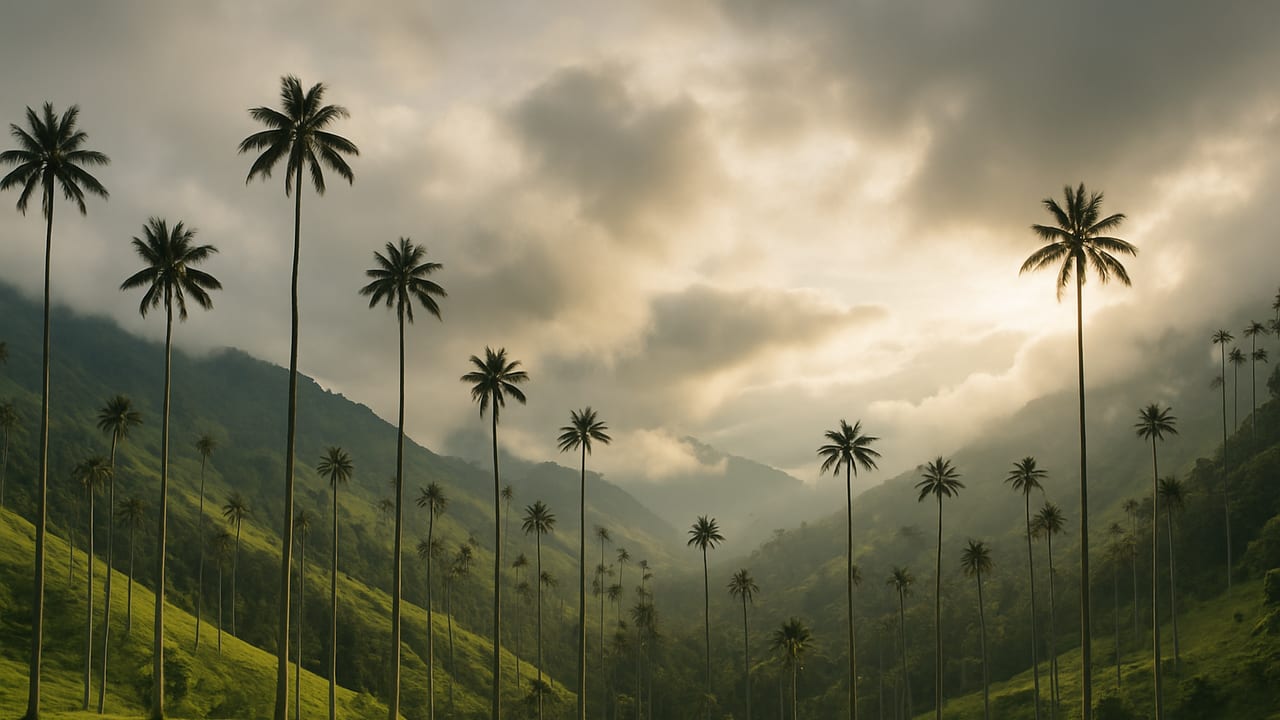
The best time to visit Salento for the driest, most reliable weather is December through February or July through August, with January edging out the rest as the single driest month of the year. That’s the short answer, but it undersells how little temperature actually changes here — Salento’s elevation keeps every month within a couple of degrees of the same mild range, so the real decision isn’t hot versus cold. It’s rain versus dry, and crowded versus quiet.
Why Temperature Isn’t the Variable That Actually Matters
Salento sits at roughly 1,895 meters (6,200 feet) in Colombia’s coffee-growing hills, and that altitude does something most first-time visitors don’t expect: it flattens the calendar. Average highs run 70-72°F (21-22°C) in literally every month of the year, according to long-term records compiled by Weather Spark. There’s no “hot season” to avoid and no “cold season” to plan around — a July afternoon and a December afternoon feel close to identical on a thermometer.
What does change, and change a lot, is rain. Monthly rainfall swings from about 4.2 inches in January to over 8 inches in October, more than double, while the temperature line barely moves. That’s the opposite of how most “best time to visit” questions work, where travelers are really asking about heat or cold. Here, the question that actually has an answer is when it rains the least — not when it’s warm enough to go.
A Composite Case: Chasing the Wrong Number
Picture a fairly common planning mistake: a traveler picks January for a Colombia trip specifically because “warmest month” articles about the coffee region kept coming up, books flights and a Cocora Valley hike around it, and only later realizes January’s coffee farms are past their main picking season — the harvest that peaked in November has largely wound down by the time farms are quiet again in January. That’s a composite scenario, not one specific trip, but it reflects a real gap in how most planning advice frames the decision: optimizing for weather and optimizing for the coffee tour itself can point to different months.
The traveler in that scenario still has a good trip — Salento’s coffee farms run tours year-round regardless of harvest status, and January’s dry, clear days make for the best hiking conditions of the year in Cocora Valley. But if watching an actual harvest was part of the appeal, a different month would have delivered more of what they were actually after. The lesson worth remembering before booking: “best weather” and “best coffee season” are two separate questions, and they don’t always point to the same month.
The Framework: Match the Month to What You’re Actually There For
Run through these before picking dates, since “best” changes depending on the answer:
- Is Cocora Valley the main reason you’re going? Aim for December-February or July-August. Both are drier stretches, which matters for a hike that’s mostly exposed, open pasture with little tree cover if an afternoon storm rolls in.
- Do you want to see actual coffee picking, not just a processing demo? Target October-December for the main harvest or April-June for the shorter mitaca harvest. Farms tour year-round either way, so this only matters if watching the harvest itself is the point.
- Are you budget-conscious? Skip late December through mid-January, when Colombia’s own domestic holiday travel pushes hotel prices up and availability down across the whole coffee region. Late November or February get close to the same weather without the premium.
- Do you want a quiet plaza over a lively one? Weekday visits outside the January festival window and outside Colombian holidays consistently feel calmer than weekends do, regardless of season.
- Are rain and mud a dealbreaker? Avoid April-May and September-November, the two wetter stretches, especially if the Cocora Valley hike is non-negotiable and you’d rather not do it in the mud.
Salento’s Weather, Month by Month
Average highs stay essentially flat, so rainfall and wet-day counts (via Weather Spark) are what actually distinguish one month from the next:
- January: 72°F (22°C), the driest month of the year at around 4.2 inches of rain and the fewest wet days.
- February: 72°F (22°C), still dry, rainfall creeping up slightly from January.
- March: 72°F (22°C), rain building toward the wetter spring stretch ahead.
- April: 71°F (22°C), one of the two wettest months, around 8 inches of rain and the cloudiest skies of the year.
- May: 71°F (22°C), still wet at roughly 7.5 inches, though slightly less overcast than April.
- June: 71°F (22°C), rainfall easing as the second dry stretch begins.
- July: 71°F (22°C), the clearest month of the year for sunshine, moderate rain around 4.7 inches.
- August: 72°F (22°C), similarly dry, comparable to July.
- September: 72°F (22°C), rain climbing again as the wetter autumn stretch begins.
- October: 71°F (22°C), the wettest month of the year at over 8 inches and roughly 24 rainy days.
- November: 70°F (21°C), still one of the wetter months, cooler evenings than the rest of the year.
- December: 71°F (22°C), rain easing back down as the dry season returns.
These are long-run averages, not a forecast for any specific week — worth checking closer to your travel dates, particularly if the Cocora Valley hike is the centerpiece of the trip.
Season by Season, With the Trade-Offs Made Explicit
The December-February Dry Season: Best Weather, Highest Cost
This is the driest, clearest stretch of the year and the best window for the Cocora Valley hike specifically, since a dry trail and clear ridgeline views matter more there than almost anywhere else in a Salento itinerary. It’s also Colombia’s main domestic holiday season, running roughly from mid-December through mid-January, when hotel prices and crowds both climb across the whole coffee region — not just in Salento. Salento’s own founding-anniversary festival lands in the first half of January, adding parades and live music to the plaza but also adding another reason accommodation books up early.
The June-August Dry Season: A Quieter Second Window
July is the clearest month of the year by sunshine hours, and August runs close behind, both with meaningfully less rain than the shoulder months on either side. This window doesn’t carry the holiday-season price premium of December-January, making it arguably the better value pick for travelers who want dry-season hiking conditions without paying peak rates. It overlaps with North American and European summer travel, so it’s not truly off-season, but it’s calmer than the year-end stretch.
April-May and September-November: Wetter, Cheaper, and Not a Dealbreaker
These are the two rainy windows, with October standing out as the wettest month on the calendar. None of this rules out a visit — the town, the coffee farm tours, and even a shortened Cocora Valley walk all remain workable, and hotel rates drop along with the crowds. What changes is the hike: expect mud on the trail and a real chance of an afternoon downpour, so a rain layer and waterproof footwear stop being optional. September through early October also overlaps with the start of the main coffee harvest, which is a genuine trade worth weighing against the wetter conditions if watching the harvest matters to you.
When Coffee Harvest Season Should Change Your Answer
Quindío’s coffee calendar runs on its own schedule, separate from the rain. The region’s main harvest runs roughly September through December, with picking most active October into December, and a shorter second harvest — the mitaca — runs April through June. Farms around Salento, including the two most commonly toured, run their basic tour and tasting year-round regardless of harvest status. The difference during harvest season is that you can watch pickers actually working the rows rather than seeing an empty field and a processing demonstration.
That makes harvest timing worth a genuine trade-off calculation rather than an afterthought. October and November combine active picking with the year’s heaviest rain; April and May combine the shorter mitaca harvest with the year’s second-wettest stretch. There’s no month that delivers both dry weather and a harvest in full swing — if seeing the harvest matters more to you than dry trail conditions, plan around the coffee calendar first and pack for rain, rather than the other way around.
What This Means for the Cocora Valley Hike Specifically
Because Cocora Valley is the reason most visitors build a trip around Salento at all, it’s worth calling out on its own. The loop out to the wax palms and the Acaime hummingbird reserve runs largely through open pasture with little shelter, which makes it more exposed to a sudden downpour than most hikes in the region. Dry-season months (December-February, June-August) cut that risk substantially and offer clearer views of the palms against the surrounding ridgelines. In the wetter months, an early start still beats the odds — afternoon rain is more common than morning rain most of the year here, so setting out from the plaza by mid-morning gives you the best chance at finishing before the clouds roll in.
The Takeaway
There’s no single best month for Salento so much as two good answers depending on what you’re optimizing for. December through February delivers the driest trail conditions and Salento’s own festival, at the cost of Colombia’s busiest and most expensive travel window. July and August offer nearly the same dry-season hiking weather without that price premium. If the coffee harvest itself is the draw rather than just a farm tour, October through December or April through June matter more than the rain forecast — accept the mud, and plan the hike around an early start instead of a dry month.
If you’re still weighing whether Salento deserves multiple days at all, our guide on whether Salento is worth visiting covers the town’s draws in more depth, and our guide for solo travelers covers what changes without a travel companion. For the muddy, cool-morning trail out to Cocora Valley in any season, our guides to waterproof hiking shoes and compression socks for cold weather cover gear that matters more here than the “coffee country” label suggests. For the flights in and out through Armenia or Pereira, our guide to TSA-approved toiletry bags covers the one packing detail that trips up travelers at security most. If you’re comparing where to stay once you’ve picked a month, Expedia’s hotel search for the area is a reasonable way to check current rates before you commit, and the U.S. State Department’s Colombia travel page is worth checking for current guidance covering the rest of your route.
Frequently asked questions
- What is the best month to visit Salento?
- December through February and July through August are the two driest stretches, with January edging out the rest as the single driest month. Temperature barely changes between them, though, so the real trade-off is rain and crowds versus quieter, cheaper travel the rest of the year.
- Is Salento hot or cold?
- Neither, and it stays that way all year. Salento sits at roughly 1,895 meters (6,200 feet), which keeps daytime highs in a narrow 70-72°F (21-22°C) band every month. Mornings and evenings run noticeably cooler, so packing layers matters more than picking a "warm" month.
- When is the rainy season in Salento?
- Rainfall climbs in two windows — April into May, and again from September through November, with October typically the wettest month of the year. January is the driest by a clear margin, and June through August form a second, shorter dry stretch.
- Is it worth visiting Salento in the rainy season?
- Yes, with adjustments. The town itself, the plaza, and coffee farm tours all continue through the wetter months, and hotel rates and crowds both drop. The Cocora Valley hike is still doable but muddier and more likely to include an afternoon downpour, so a rain layer and waterproof footwear matter more than in the drier months.
- When is coffee harvest season near Salento?
- Quindío's main harvest runs roughly September through December, with picking most active October into December. A shorter second harvest, the mitaca, runs April through June. Farms operate tours year-round, but visiting during either harvest window is the only way to see actual picking rather than just the processing side of the tour.
- What festival happens in Salento, and when?
- Salento's own founding-anniversary festival runs in the first half of January, typically spanning about a week and including parades, horseback processions, and live music around the plaza. It coincides with the driest weather of the year but also with Colombia's busiest and most expensive domestic holiday travel window.
- Should I avoid Salento during Colombian holidays?
- Avoid it only if crowds and higher prices bother you more than good weather appeals to you. Late December through mid-January brings Colombia's main holiday travel season, so accommodation fills up and rates climb even though the weather is at its best. Booking well ahead, or shifting to late November or February, sidesteps most of that trade-off.