Hidden Gems in Puerto Natales: 7 Spots Most Visitors Miss
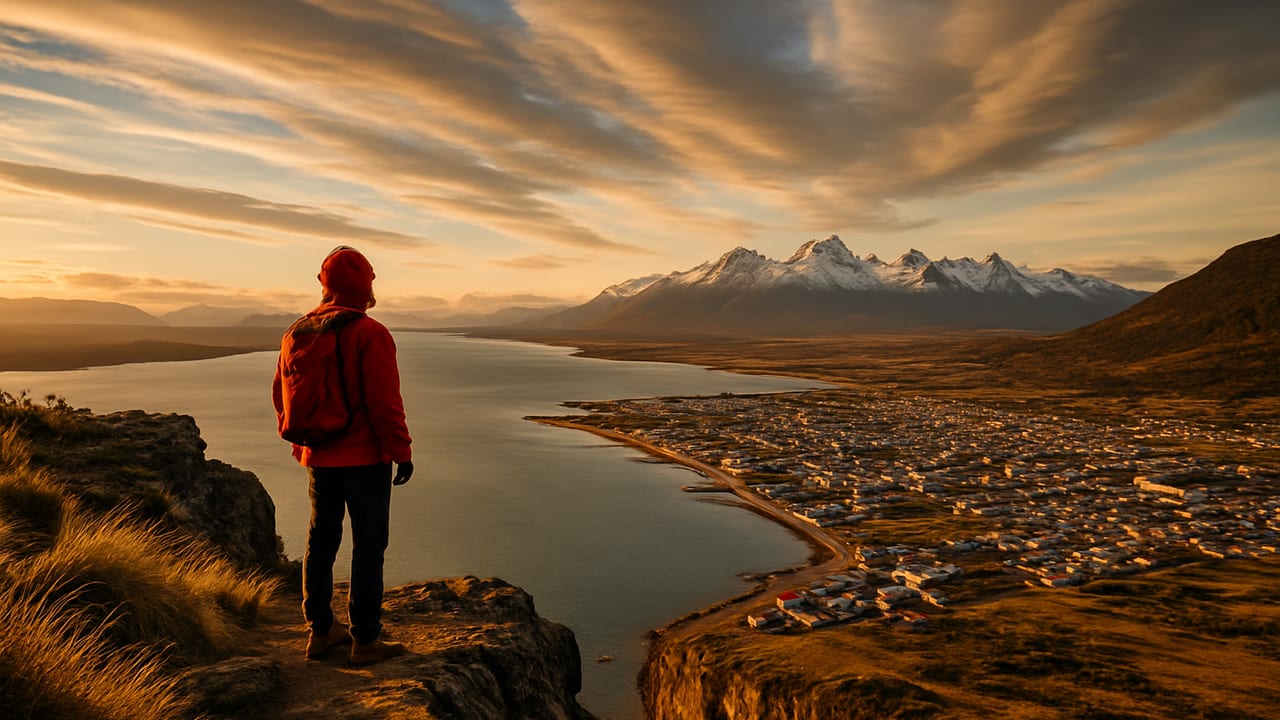
The real hidden gems in Puerto Natales aren’t hidden because nobody’s found them — most sit within a 20-minute taxi ride of the plaza. They’re overlooked because almost everyone who flies into this southern Chilean town has Torres del Paine circled on the map and nothing else, so they miss a free clifftop hike with condors overhead, a 1915 wool-processing plant turned museum, and a waterfront the town actually uses, not just photographs.
None of that requires booking a multi-day trek, joining a tour bus, or adding an extra night to your trip. It requires knowing these exist before you’re already on the bus out of town.
Why the Best Spots Here Don’t Show Up on the Day-Trip Lists
Most “things to do in Puerto Natales” guides are really “things to do near Puerto Natales” guides — Torres del Paine tours, the Balmaceda and Serrano glacier cruise, the Milodón Cave, a working estancia visit. Those are genuinely worth booking, and we’ve covered them separately in our guide to the best day trips from Puerto Natales. But every one of them takes a half-day or full day away from town, usually with a guide and a set departure time.
The spots in this list are different: they’re in town or at its immediate edge, they don’t need a booking, and most take an hour or two, not a day. That makes them the right fit for exactly the situation most travelers are actually in — an arrival evening before a trek, or a spare morning waiting for a bus south to Punta Arenas or north to El Calafate.
Picture a fairly typical case: a traveler lands in Puerto Natales with one buffer day before their Torres del Paine trek starts, already fully booked. They spend it in a café near the plaza, because nobody told them there was anything else within reach that didn’t require a tour desk. That’s not a disaster — it’s just a morning that could have included a clifftop view of the fjord for the price of a taxi.
So the useful lesson here is straightforward: the gap between “gateway town” and “place worth a morning of its own” is smaller than it looks, and closing it just takes knowing what’s actually nearby and how to get there yourself.
The Overlooked Spots Worth Your Time
Cerro Dorotea
A marked trail up the hill directly behind town, reached via a roughly 10 km, 20-minute taxi ride along Route 9 and the Y-200. The hike itself runs about 2.5 to 3 hours round trip, climbing around 460 meters to a summit near 800 meters, and crosses private land, so expect a small access fee (around 5,000 CLP, roughly $5-6 USD) rather than a free trailhead. The reward is the best panoramic view of Puerto Natales itself: the town, the Última Esperanza fjord, and the Patagonian steppe running out toward the Argentine border.
This is the single best “I have half a day and want to see something” option in the entire area, and it’s the one most Torres del Paine-focused itineraries skip entirely because it points the camera at the town instead of the park.
Puerto Bories and the Singular’s Wool-Plant Museum
A former sheep-processing and wool plant a few minutes north of town, built by the Sociedad Explotadora de Tierra del Fuego starting in 1915 and operating into the late 20th century, at its peak handling well over 100,000 sheep a season. It’s now a Chilean national monument and the site of the Singular Patagonia hotel, which restored the original refrigeration plant into guest rooms and kept a section as a museum covering the region’s ranching and industrial history.
Non-guests can generally visit the museum for an entrance fee — either self-guided or on a scheduled tour — though it’s privately run, can limit visits, and sometimes closes for the off-season, so it’s worth a quick call ahead rather than showing up unannounced. Even if you skip the paid museum, the building itself, with its original smokestacks and corrugated-iron sheds against the fjord, is worth the short trip out just to see from outside.
The Waterfront Costanera and Muelle Histórico
The paved path running along Avenida Pedro Montt is where the town actually spends its evenings — locals walking dogs and kids on bikes, not tour groups. It passes the Muelle Histórico, the old wooden pier that once handled the town’s wool and livestock trade, along with a scatter of public sculptures and open views across the water to the mountains beyond.
There’s nothing to book and nothing to pay for here. It’s simply the kind of low-key, resident-facing spot that a town built almost entirely around one national park rarely gets credit for having.
Puerto Natales Historical Museum
A small municipal museum a short walk from the plaza, covering the region’s indigenous Kawésqar and Aónikenk history alongside the European settlement and ranching era that followed. Entry is inexpensive and a visit runs about an hour — enough to give the rest of this list, and the Puerto Bories plant especially, some actual context before you see it in person.
Laguna Sofía, Without the Guided Hike
Laguna Sofía sits about 20 minutes from town by road, and its cliffs are one of the more reliable spots in the area to watch Andean condors ride the thermals along the shoreline. Most guides bundle it into a paid half-day hike that also covers Cerro Benítez’s ancient rock art — genuinely worth doing if archaeology interests you — but the lake and the condor cliffs themselves are visible from roadside pullouts if birdwatching is really what you’re after and you’d rather skip the booked tour.
Baguales Brewpub and the Local Craft-Beer Scene
Not a landmark, but a genuine piece of what makes Puerto Natales feel like a real town rather than a park entrance. A small craft-beer scene has grown up around the tour and trekking crowd passing through, with Baguales among the better-known spots for a pint after a long day. It’s a low-stakes way to spend an evening that doesn’t involve a 6 a.m. pickup for tomorrow’s tour.
Getting to These Without Renting a Car
Every spot on this list is reachable without your own vehicle, and the logistics are simpler than most guides assume once you’re not trying to string together a full-day itinerary out of a rental car.
- Walkable from the plaza: the Costanera waterfront, the Historical Museum, and the brewpub scene are all within a 10-15 minute walk of central Puerto Natales.
- A fixed-fare taxi each way: Cerro Dorotea, Puerto Bories, and Laguna Sofía are all short enough drives that a taxi there and back, with a wait, is a normal and affordable request — ask your accommodation to arrange the return pickup time before you leave, since taxis aren’t reliably waiting at any of these three spots the way they are at the plaza.
- A rental car only pays off if you’re combining three or more of the out-of-town spots in a single morning and don’t want to coordinate multiple taxi pickups, or if you’re already renting one for a day trip elsewhere and can add a stop on the way.
None of this requires the organized-tour infrastructure that Torres del Paine itself runs on. That’s most of the point.
What Actually Earns a Spot in Your Bag for a Day of This
Patagonian wind doesn’t pause for a short walk to a museum, and Cerro Dorotea’s trail turns to mud fast after rain, so the packing list for a day like this is shorter than a multi-day trek but not nothing:
- A pair of waterproof hiking shoes for Cerro Dorotea’s trail, which sees enough rain and stream crossings that a non-waterproof shoe won’t stay dry for the full round trip.
- Compression socks or another warm base layer for your legs — the wind on the Cerro Dorotea summit and the Laguna Sofía cliffs is consistently sharper than the temperature alone suggests.
- A daypack big enough for a rain shell, since Patagonian weather changes over the course of a single afternoon more often than it stays put.
None of this is trekking-specific gear. It’s the same short list that makes an ordinary half-day outdoors in a windy climate comfortable instead of memorable for the wrong reason.
How Many of These to Actually Plan For
You don’t need a dedicated extra day for this list — that’s the actual advantage over the tour-based day trips. Cerro Dorotea and Puerto Bories fit into a single morning; the waterfront, museum, and a brewpub stop fit into an evening. Realistically, this entire list slots into the arrival and departure days most travelers already have in Puerto Natales before or after their time in Torres del Paine, rather than requiring you to add anything to the trip.
If you’re still deciding when to go and how long to stay overall, our guide to the best time to visit Puerto Natales covers the seasonal side of that question, and our guide for solo travelers covers what changes about doing all of this alone rather than with a group.
The Takeaway
Puerto Natales earns a morning of its own, separate from Torres del Paine, if you know where to point yourself: up Cerro Dorotea for the view, out to Puerto Bories for the history, and along the Costanera for the version of the town that isn’t built for tour buses. None of it needs a booking, a guide, or an extra day — just a taxi fare and the knowledge that it’s there before you’re already on the bus out.
For more on the park itself and the excursions that do need advance booking, our day trips from Puerto Natales guide covers that side of the trip, and the rest of our South America destination guides cover the wider region beyond this one town.
Frequently asked questions
- What is Puerto Natales known for besides being the gateway to Torres del Paine?
- Beyond the park, it's a working port town on the Última Esperanza fjord with a genuine industrial and ranching history — the old Puerto Bories wool-and-meat plant, a fishing waterfront, and a surrounding steppe still worked by estancias. Most of that history sits within a 20-minute taxi ride of the plaza, which is more than most first-time visitors realize before they arrive.
- Is the Cerro Dorotea hike difficult, and do you need a guide?
- No guide is required — it's a marked trail on private land with a small access fee, not a technical route. Plan on 2.5 to 3 hours round trip and around 460 meters of elevation gain, which rates as medium-low to moderately hard depending on your fitness and the wind that day. The payoff is a panoramic view over the town, the fjord, and the Patagonian steppe stretching toward Argentina.
- Can you see Puerto Natales's hidden gems without renting a car?
- Yes, for most of them. The waterfront, the historical museum, and the brewpub scene are all walkable from the plaza, and taxis reliably cover Cerro Dorotea, Puerto Bories, and Laguna Sofía for a fixed fare each way. A rental car only starts to matter if you want to string several of these together in one morning without waiting for a taxi to come back.
- Is the Singular Patagonia's Puerto Bories museum open to people who aren't staying there?
- Generally yes — non-guests can visit the former wool-and-meat plant's museum section for an entrance fee, either self-guided or on a scheduled tour, though it's a privately run museum that can limit visits and sometimes closes for the winter season. Calling or emailing the hotel ahead confirms current hours before you make the trip out.
- How many days should you set aside for these overlooked spots?
- A single full day covers the whole list comfortably, or you can split it across the arrival and departure days most people already spend in town before or after Torres del Paine. None of these require an overnight or a booked multi-day tour, which is exactly what separates them from most of the other things to do in Puerto Natales.
- Is Laguna Sofía worth a stop without booking the guided Cerro Benítez hike?
- Yes, if condors are the main draw. The lake itself and the cliffs where they nest are visible from the roadside pullouts without joining the longer guided hike that also covers Cerro Benítez's rock art — that combination is worth booking separately if archaeology interests you more than birdwatching.