Is Siquijor, Philippines Worth Visiting? A Straight Answer
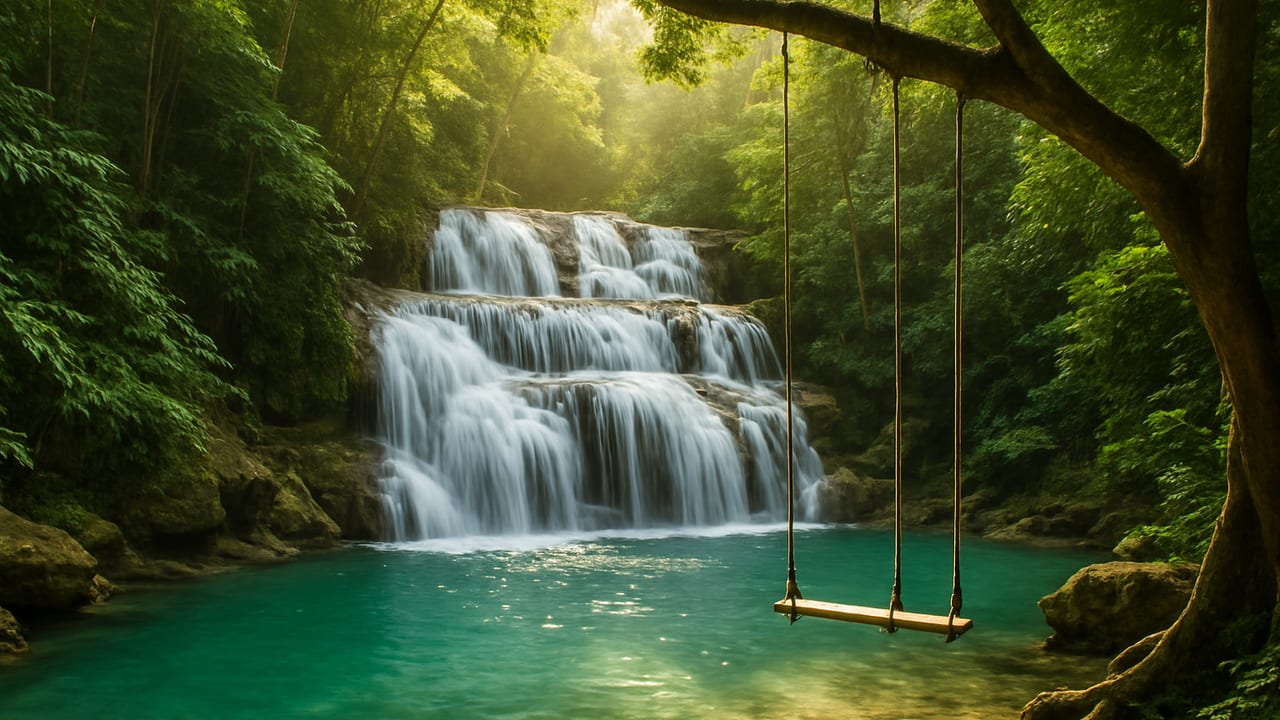
Yes, Siquijor is worth visiting — the waterfalls and beaches alone would justify a stop, and the island’s folk-healing reputation gives it a genuine identity that most of its brochure-friendly neighbors don’t have. The more useful question is how much of it is worth visiting: whether this is a one-night add-on to a bigger Philippines trip, or a base worth two or three full days on its own.
Why Siquijor Keeps Coming Up as the “Other” Philippine Island
Siquijor sits in the Visayas, a short ferry ride off the southern tip of Negros, and it’s been building a reputation as the island travelers reach for once Bohol and Boracay start to feel too crowded. Spanish colonizers called it Isla del Fuego — island of fire — after the fireflies that lit up its trees at night, a detail that still shows up in most histories of the place.
What draws people now is a specific combination: genuinely clear waterfalls and beaches, a scale small enough to loop by motorbike in a day, and a folk-healing tradition — mananambal healers who practice herbal and ritual medicine passed down through generations — that’s kept Siquijor associated with witchcraft in the wider Philippine imagination for centuries. That mix of nature and culture is rare enough that the island’s rising popularity isn’t really a mystery, even if it’s still a notch quieter than Bohol, Cebu, or Siargao.
A Composite Case: The Day Trip That Should Have Been Three Nights
Picture a fairly common plan: fly into Dumaguete from Manila or Cebu, take the ferry across for a single afternoon on Siquijor, then head back to catch a flight out the next morning. That’s a composite itinerary, not one specific trip, but it’s close to how a lot of first Philippines visits treat Siquijor when it’s squeezed in as an afternoon add-on rather than a stop worth its own nights.
The travelers who come away calling Siquijor one of the better parts of their trip are usually the ones who didn’t do that. A single loop past Cambugahay Falls, the Balete Tree, and Lazi Church already runs most of a day on a scooter, before Salagdoong Beach’s cliffs or a boat trip to Apo Island even enter the plan. Pack all of that into one rushed afternoon and the ferry schedule back to Dumaguete becomes the thing dictating the day, rather than the island itself.
That’s the pattern worth remembering before you book anything: Siquijor rewards a loose, bike-at-your-own-pace schedule, and a single afternoon almost never leaves room for more than one or two stops done properly.
Who Siquijor Is Actually Worth It For
That pattern turns into a short framework more easily than a single yes-or-no verdict:
- Independent travelers who like renting a bike and exploring. Worth it without much hesitation — the island’s whole layout, a coastal ring road with waterfalls and beaches branching off it, is built for exactly this kind of unstructured day.
- Anyone chasing a quieter alternative to Bohol or Boracay. Also a clear yes. Siquijor has comparable waterfalls and beaches with noticeably fewer tour buses and package-tour crowds, at least for now.
- Travelers curious about Filipino folk culture. Worth building time around, provided you approach it with genuine curiosity rather than treating a healing visit as a novelty photo opportunity — more on that below.
- Nightlife seekers or anyone wanting resort infrastructure. Probably not the right island. San Juan has a handful of bars and beachfront restaurants, but nothing close to Boracay’s or Siargao’s scene after dark.
- Digital nomads needing reliable work infrastructure. Worth checking expectations first. Coworking spaces and consistently fast Wi-Fi are thin on the ground outside a few guesthouses, which matters if your trip depends on video calls rather than flexible hours.
What There Actually Is to Do
Beyond the ring-road loop already mentioned, the list of real sites is short enough to cover properly rather than padded out to fill a guidebook:
- Cambugahay Falls, a three-tiered waterfall with a rope swing at the main pool — the single most-photographed spot on the island, and worth arriving early for before tour groups show up midday.
- Lazi Church and its convent, a coral-stone church complex built in the late 1800s; the convent is among the largest and oldest of its kind in Asia, and the pair are recognized as a national cultural treasure by the Philippines’ National Museum.
- The Enchanted Balete Tree, a centuries-old tree with a small spring-fed pool at its base — genuinely striking, though the attached “fish foot spa” set up alongside it is more tourist-trap than tradition, and worth skipping if you’re short on time.
- Salagdoong Beach, a white-sand cove flanked by cliffs with jump platforms at different heights for anyone who wants to cliff-dive rather than just swim.
- Mt. Bandilaan, the island’s high point at a modest 557 meters, with a short hiking trail and a view worth the climb on a clear day.
- Apo Island, technically off Negros rather than Siquijor itself, but a common half-day boat add-on for sea-turtle snorkeling if the mainland sites don’t fill your schedule.
The Island’s Folk-Healing Reputation, and How to Approach It Respectfully
Siquijor’s association with witchcraft isn’t marketing — it’s a real, generations-old tradition of mananambal healers who use herbal remedies, prayer, and ritual to treat everything from physical ailments to what’s locally understood as spiritual affliction. The island hosts a folk-healing festival each Holy Week where healers gather to prepare remedies, and some guesthouses and tour operators arrange visits to a healer for curious travelers.
This is the one part of a Siquijor trip where the humor writes itself less than the rest of the island, and it’s worth treating that way. A healing session is a living practice for the people who still rely on it, not a staged attraction — showing up expecting a spooky photo opportunity, or treating a healer’s explanation with visible skepticism, reads as disrespectful in a way that a quick waterfall selfie never does. If a visit is arranged through a reputable local guide and the healer is comfortable with visitors, going in with the same open curiosity you’d bring to any unfamiliar religious or medical practice elsewhere in the world gets you a far more interesting afternoon than treating the whole thing as local color for a blog post.
Getting There and Getting Around
Most travelers fly into Dumaguete on Negros, then take a ferry across the strait to Siquijor’s main port — a crossing of roughly 45 minutes to an hour depending on the operator, with several sailings a day. Ferries also connect from Cebu City and from Tagbilaran on Bohol, though both routes run considerably longer than the Dumaguete crossing. Siquijor has its own small airport with limited direct flights, mainly to and from Cebu, which is worth checking if your route already passes through there rather than Dumaguete.
Once you’re on the island, a rented scooter — generally ₱350-500 (about $6-9 USD) a day plus fuel — is the standard way to get around, and realistically the only way to cover the ring road and its waterfalls, beaches, and churches in a single trip. Tricycle drivers will take you around for a flat daily rate if you’d rather not drive yourself, which is a reasonable option for anyone uneasy on two wheels or traveling with young kids.
What It Actually Costs
Siquijor is inexpensive by international standards and still slightly cheaper than Bohol or Boracay, though prices have climbed as the island’s popularity has grown. Budget travelers can generally get by on roughly ₱1,200-1,800 (about $21-32 USD) a day covering a simple guesthouse room, meals, and a motorbike rental, while a more comfortable pace with a nicer room and the occasional tour runs closer to ₱2,500-3,500 ($44-62 USD) a day. Most of the natural sites charge a small entrance fee — generally well under a dollar each — so the real way to overspend is stacking paid guided tours for places that cost almost nothing to see on your own bike.
If you’re comparing where to stay, Expedia’s hotel search for the island is a reasonable way to check current rates before booking, particularly around the dry season when demand climbs.
What to Actually Pack
Siquijor’s actual day-to-day activities are narrower than a generic “tropical island” packing list suggests, and it’s worth packing for them specifically rather than for the Philippines in general:
- Something waterproof for your phone and cash. Cambugahay Falls, Salagdoong’s cliff jumps, and any boat trip to Apo Island all mean a real chance of getting soaked; a dry bag built for actual water exposure beats a sandwich bag with good intentions.
- Shoes that handle wet rock and mud, not just sand. The paths down to most waterfalls are slick limestone and packed dirt rather than groomed trails, and waterproof hiking shoes matter more here than the “beach island” label suggests.
- A packable rain layer for the wet season. June through November brings regular downpours, often sudden ones that catch scooter riders mid-loop; a packable rain jacket folds small enough to live under the motorbike seat without taking up real packing space.
- A real bag for flying through Dumaguete or Cebu. Domestic Philippine flights enforce carry-on limits strictly, and a TSA-approved toiletry bag avoids the security-line scramble that a disorganized liquids pouch tends to cause.
Is Siquijor Too Touristy, or Overrated?
Not yet, though it’s trending that direction as more travelers look past Bohol and Boracay. The island is noticeably busier than it was a decade ago — new flights, more guesthouses, and a steady stream of blog coverage have all pushed visitor numbers up — but it’s still quiet compared to its more famous neighbors, and most of its natural sites remain free of the crowd-control lines you’d find at a major Bohol attraction.
The exception is the Balete Tree’s attached fish-spa setup, which several independent accounts describe as more staged than the rest of the island — worth a quick stop for the tree itself, but not worth building a tour day around. The rest of Siquijor’s reputation still tracks closer to “quiet and a little mysterious” than “overrun,” at least for now.
When to Go
The dry season, roughly February through May, offers the most reliable weather for waterfall visits and beach days, with less rain to disrupt a motorbike loop. June through November is the wet season, peaking from August through October, when sudden downpours are common even if they rarely last all day. Temperatures stay warm and humid year-round, rarely dropping below the low 20s°C (around 68-70°F) even at night, so heat rather than cold is the thing to actually plan around.
Applying the Framework: A Sample Three-Day Stay
Putting the framework above into an actual plan looks something like this, for a traveler treating Siquijor as a real stop rather than a rushed afternoon:
- Day one — arrive and get oriented. Ferry in from Dumaguete, pick up a scooter, and spend the afternoon settling into San Juan with a short ride to a nearby beach for sunset.
- Day two — the ring-road loop. An early start beats both the heat and the midday tour crowds at Cambugahay Falls. Continue on to Lazi Church, the Balete Tree, and Salagdoong Beach, budgeting the better part of a full day for the whole loop.
- Day three — slow down or go further. A quieter beach morning, a short hike up Mt. Bandilaan, or a half-day boat trip to Apo Island if sea turtles and snorkeling are a priority before heading back to Dumaguete or on to the next stop.
The Takeaway
Siquijor is worth visiting, and worth more than the rushed single afternoon a lot of Philippines itineraries give it — the waterfall-and-church loop alone is close to a full day, and the island’s folk-healing culture rewards genuine curiosity over a quick photo stop. Budget two to three days if you want the full ring-road loop plus a beach day without rushing either; a half-day works if you’re mainly passing through on a bigger Visayas trip. Rent a scooter, go early to the falls, and check current travel guidance for the Philippines for the rest of your route, since Siquijor’s own risk profile is mild but other parts of the country vary more than people expect.
If a quieter island alternative is part of what’s drawing you to Siquijor, our guide to the best time to visit Nusa Penida covers a similarly uncrowded cliffside island worth comparing it against, and the rest of our Southeast Asia destination guides cover the wider region. For the waterfalls, cliffs, and wet-season riding covered above, our gear guides to dry bags, waterproof hiking shoes, and packable rain jackets cover what actually holds up on the ground.
Frequently asked questions
- How many days do you need in Siquijor?
- Three days covers the island's real draws without rushing: one for Cambugahay Falls and the south coast, one for a full motorbike loop past Lazi Church and the Balete Tree, and one spare day for Salagdoong Beach or an Apo Island trip. Two days works if you're tight on time, but you'll likely have to skip either the full loop or the extra beach day.
- Is Siquijor safe to visit?
- Yes, day to day — Siquijor isn't flagged in the Philippines' current areas of concern, and the island's reputation for witchcraft is cultural, not a safety issue for visitors. The Philippines as a whole carries a general "exercise increased caution" advisory, with specific warnings for parts of Mindanao and the Sulu Sea that are nowhere near Siquijor, so it's worth checking current guidance for the rest of your route rather than assuming it applies here.
- Is Siquijor overrated or too touristy?
- Not yet, and that's largely the point. It gets busier every year as travelers look for an alternative to Bohol, Cebu, and Boracay, but it's still noticeably quieter than any of those. A handful of attractions — mainly the Balete Tree's paid "fish foot spa" setup — feel more staged than the rest of the island, which is worth knowing before you book a tour around it specifically.
- Is Siquijor expensive?
- No. Budget travelers typically get by on roughly ₱1,200-1,800 (about $21-32 USD) a day covering a guesthouse room, food, and motorbike rental, while a more comfortable pace with better accommodation runs closer to ₱2,500-3,500 ($44-62 USD) a day. The main way to overspend is booking every tour operator's package separately rather than renting a bike and visiting the free or low-fee sites yourself.
- How do you get to Siquijor?
- Most travelers fly into Dumaguete on Negros, then take a ferry — around 45 minutes to an hour depending on the operator — across the strait to Siquijor's main port in Larena or Siquijor town. Ferries also run from Cebu City and Tagbilaran on Bohol, though those routes take several hours longer. A small airport on Siquijor itself has limited direct flights, mainly from Cebu, so the Dumaguete ferry route remains the most reliable option to plan around.
- Do you need a motorbike to get around Siquijor?
- Effectively, yes. Public transport on the island is thin, and the waterfalls, beaches, and churches worth seeing are spread around the coastal ring road rather than clustered in one town. Renting a scooter yourself, or hiring a tricycle driver for the day if you'd rather not drive, covers the island far better than trying to get around without either.
- What is Siquijor known for?
- Two things above everything else: its reputation as the Philippines' center of folk healing and witchcraft, and a cluster of waterfalls and beaches that are noticeably less crowded than the country's bigger-name islands. Cambugahay Falls, the centuries-old Balete Tree, and Lazi Church's historic convent are the three sites that come up in nearly every account of the island.
- Is Siquijor better than Bohol or Siargao?
- Different trips, not a strict upgrade. Siquijor is quieter and more suited to independent travelers who want to rent a bike and explore at their own pace; Bohol has more built-up infrastructure and famous sights like the Chocolate Hills; Siargao has the stronger surf scene and nightlife. If a slower, less commercial island fits what you're after, Siquijor wins. If you want surf culture or well-developed resorts, it doesn't.