Packable Rain Jacket: What "Waterproof" Actually Means
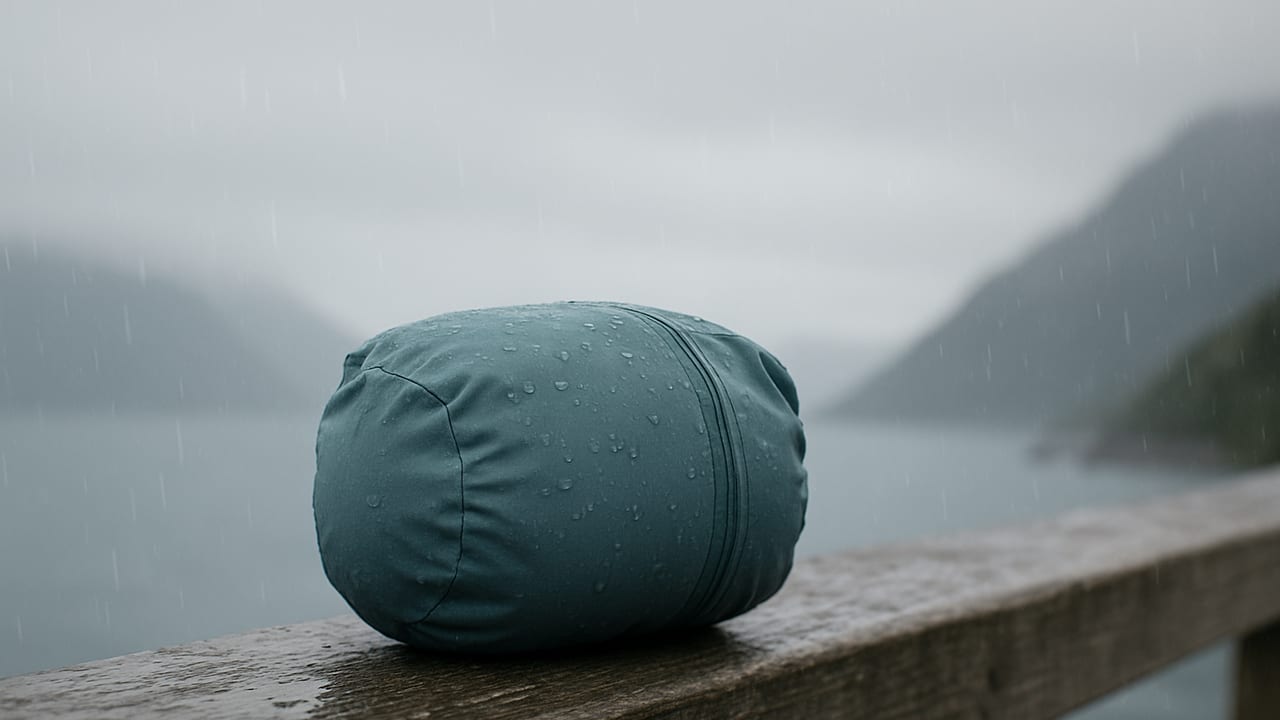
The honest answer is that “packable” and “waterproof” are two separate promises, and plenty of rain jackets sold under both words really only deliver one. A jacket is genuinely waterproof when its fabric carries a rated hydrostatic head of roughly 5,000mm or higher, the seams are taped rather than just stitched, and the zippers are either coated or backed by a storm flap. It’s genuinely packable when it compresses into its own built-in pocket rather than needing a separate stuff sack. A lot of travel jackets get one of those right and quietly skip the other.
Why This Distinction Is Worth Getting Right
The stakes aren’t dramatic, but they’re annoying in a very specific way: a jacket that’s packable but not really waterproof means carrying dead weight the one day you actually need it to work.
Picture a fairly ordinary Patagonia itinerary: a few days based in Puerto Natales before heading into Torres del Paine, where the regional wind is strong enough that rain rarely falls straight down — it comes in sideways, in bursts, for hours at a time. A traveler who packed a thin “water-resistant” windbreaker because the listing used the word “waterproof” somewhere in the description finds out exactly how far that claim stretches the first time wind-driven rain gets under the hem and down the collar, which a jacket without sealed seams and a drawcord hood simply can’t stop. That’s a composite scenario, not one documented trip, but it’s the exact gap between “water-resistant” and “waterproof” that a sideways Patagonian rain shower is unusually good at exposing.
The useful lesson: don’t trust the word “waterproof” on its own. Check the rating, the seams, and the closures — the same three things that separate a jacket that survives wind-driven rain from one that just delays it.
The mm Number on the Tag: What a Waterproof Rating Actually Promises
A waterproof rating — also called hydrostatic head — comes from a lab test: a swatch of the jacket’s fabric is sealed over a tube of water, and the water pressure is increased until it seeps through. The height of the water column, in millimeters, at the point it leaks is the rating. A fabric rated at 10,000mm can withstand the pressure of a 10-meter column of water before failing in that test.
A few thresholds are worth knowing:
- Below 5,000mm is generally considered water-resistant rather than waterproof — fine for drizzle, not for sustained rain.
- 5,000–10,000mm is a reasonable floor for calling a jacket waterproof, suitable for steady rain without much pressure (walking, not kneeling or sitting on wet ground).
- 10,000–20,000mm is where most genuinely trail-worthy packable jackets land, and it holds up to sustained rain, wind-driven rain, and sitting on damp ground.
- 20,000mm and above shows up on jackets built for extended backcountry use, where the marginal gain matters more than it does for typical travel.
This is where REI’s explainer on how rain gear actually works is useful context: the rating only describes the fabric itself under lab conditions. A high number on a jacket with stitched-but-untaped seams, a flimsy hood, or a zipper with no storm flap still leaks in practice — construction matters as much as the number on the spec sheet.
Fabric Layers and DWR: Where the Rating Comes From
The rating doesn’t exist on its own — it comes from how the fabric is actually built, and packable travel jackets almost always use one of two constructions:
- 2.5-layer construction bonds a waterproof membrane to a single outer fabric, with a thin printed or sprayed-on protective layer on the inside instead of a full separate lining. It’s the lightest, most packable option, which is exactly why most jackets marketed as “packable” use it.
- 3-layer construction adds a genuine inner lining bonded to the membrane. It’s more durable under repeated abrasion — a backpack’s shoulder straps, for instance — but weighs and packs down noticeably more, which works against the “packable” half of the promise.
On top of either construction, a DWR (durable water repellent) finish is what makes water bead up and roll off the outer fabric rather than soaking in and making the whole jacket feel wet, even when the waterproof membrane underneath is doing its job perfectly well. DWR wears off well before the membrane does, which is why a jacket can start to feel like it’s “not waterproof anymore” long before it’s actually failing — more on fixing that further down.
Seams are the other detail worth checking directly, not assuming. Taped or welded seams keep water from working through the needle holes left by stitching; a jacket described as waterproof with visible stitched-only seams is, in practice, water-resistant at every seam line regardless of what the fabric itself is rated for.
The Breathability Trade-Off Nobody Puts on the Front of the Box
A waterproof membrane that keeps rain out from the outside also makes it harder for sweat vapor to escape from the inside — the two goals pull in opposite directions, and no fabric fully solves both. Breathability is usually rated separately, in grams of vapor per square meter over 24 hours (g/m²), and it matters more than most buyers expect once they’re actually wearing the jacket while moving rather than just standing in rain.
Pit zips — zippered vents under the arms — are the most common fix, letting you dump heat on a climb or a brisk walk without taking the jacket off entirely. A jacket with no ventilation at all is fine for standing around in rain; it gets uncomfortably damp from the inside fast if you’re walking any real distance in it, which somewhat defeats the point of staying dry.
How Small “Packable” Actually Means
“Packable” gets used loosely, so it’s worth checking what it actually describes on a specific jacket:
- A genuinely packable jacket folds into its own built-in pocket — usually the chest pocket or a hand pocket — rather than requiring a separate stuff sack you can lose on a trip.
- Packed size typically lands between a grapefruit and a large water bottle, small enough to live permanently in a daypack’s front pocket rather than taking up main-compartment space.
- Weight usually falls in the 150–350 gram (5–12 oz) range for travel-oriented packable jackets; heavier than that and it’s probably prioritizing durability or features over packability, which isn’t wrong, just a different trade-off.
A jacket that needs an external stuff sack to compress isn’t necessarily a bad jacket — it’s just not accurately described as “packable” in the sense most travelers are searching for.
What a Genuinely Waterproof Packable Jacket Costs
Price tracks construction fairly predictably. Budget options in the $30–$60 range are usually 2-layer or basic 2.5-layer builds with a lower waterproof rating and minimal features — adequate for occasional light rain, not for a trip where staying dry actually matters. The $70–$150 range covers most genuinely waterproof, genuinely packable travel rain jackets: taped seams, a 10,000mm-plus rating, pit zips, and an adjustable hood. Above $150, the gains are mostly in breathability rating, fabric durability, and brand-specific membrane technology rather than basic waterproofness — worth it for frequent heavy use, less necessary for a jacket that mostly lives in a daypack pocket waiting for one rainy afternoon.
Matching the Jacket to How You Actually Travel
Once the rating and construction make sense, the remaining decision is which specific jacket fits your actual trip, not the most impressive spec sheet:
- Occasional city rain, short walks between places. A lighter 2.5-layer jacket in the 5,000–10,000mm range, prioritizing pack size over breathability — you’re not wearing it for hours at a stretch.
- A mixed hiking-and-city trip, the kind covered in the story above. A 10,000–20,000mm jacket with taped seams, pit zips, and an adjustable hood earns its slightly larger pack size here.
- Multi-day trekking or anything with sustained exposure. A higher-rated 3-layer shell, where durability under a backpack’s straps matters more than shaving off the last few grams.
- Budget-conscious, occasional use. A basic 2.5-layer jacket under $60 is a reasonable call if rain is genuinely occasional on your usual trips — just don’t expect it to perform the one time you hit a real storm.
When a Rain Jacket Isn’t Actually the Right Call
This is the part general gear guides built around temperate-climate hiking tend to skip, because it only shows up once you’re actually traveling somewhere hot and wet rather than cool and wet. In sustained tropical heat and humidity — a rainy-season stretch on Nusa Penida, for instance — even a well-ventilated waterproof jacket traps heat and sweat against your skin, because the air you’re trying to vent into is already saturated. You can end up just as wet from the inside as you would have been from the rain itself, minus the cooling effect of actually getting rained on.
In that specific situation, a packable umbrella or a loose, uncoated poncho that allows airflow underneath often keeps you more comfortable than a jacket with a higher waterproof rating. Neither is “better” in the abstract — it depends on whether the rain you’re dealing with comes with cool temperatures (jacket) or oppressive heat (umbrella or poncho). Checking the destination’s typical rainy-season temperature, not just whether it rains, is the detail that actually decides which one to pack.
Packing It So You Can Actually Reach It
A jacket that packs small is only useful if it’s somewhere you can get to quickly, which is a packing problem more than a gear problem. Keep it in a daypack’s front pocket or a dedicated outer pocket on your main travel backpack, not buried in a packing cube in the main compartment — the moment you need it is rarely the moment you have time to unpack and repack a bag on a street corner.
If you’re checking a bag and carrying a daypack through security, the jacket is one of the few packable items worth keeping in the daypack specifically rather than the checked bag — unlike a toiletry bag, it doesn’t need to come out at the checkpoint, but you do want it accessible the moment you land somewhere wetter than expected.
Keeping It Waterproof Past the First Few Trips
The DWR finish wears off well before the waterproof membrane underneath does, and the symptom is specific: water stops beading on the surface and starts soaking into the fabric, even though the jacket is often still keeping you dry underneath. REI’s guide to rainwear DWR care covers the process in detail, but the short version is a wash with a technical cleaner rather than regular detergent — detergent residue blocks the DWR effect — followed by a full air-dry and a fresh wash-in or spray-on DWR treatment once beading stops.
Zippers need separate attention. Rinsing off salt, sand, or trail grit and keeping the zipper lightly lubricated prevents it from becoming the first real point of failure on an otherwise sound jacket — zippers tend to go before the fabric does. Store the jacket loosely and fully dry rather than compressed in its stuff pocket for months at a time; packed away damp, a waterproof membrane traps moisture against the fabric instead of letting it evaporate, which is a reliable way to grow mildew inside a jacket that was otherwise doing its job.
The Takeaway
A packable rain jacket earns both halves of its name when it has a waterproof rating of at least 10,000mm, taped seams, and a build that actually folds into its own pocket — check those three things before anything else on the spec sheet. Match the rating and ventilation to the kind of rain you’ll actually face, not the highest number available, and remember that in hot, humid climates a poncho or umbrella sometimes beats even a well-reviewed jacket. Do that, and the jacket earns its spot in a daypack pocket instead of becoming dead weight you only discover isn’t working the one day it rains.
If you’re building out the rest of a rain-ready kit, our guide to waterproof hiking shoes covers the same waterproof-versus-water-resistant distinction applied to footwear — worth reading before you decide how much of your packing list actually needs to be fully waterproof.
Frequently asked questions
- Is a packable rain jacket actually waterproof, or just water-resistant?
- It depends entirely on the fabric and construction, not the word on the hang tag. A genuinely waterproof packable jacket has a coated or laminated fabric with taped seams and a waterproof rating of at least 5,000mm, usually printed on the spec page rather than the packaging. A jacket that only lists a DWR (durable water repellent) finish with no rating number is almost always water-resistant — fine for light rain, not for a sustained downpour.
- What waterproof rating (mm) should I look for in a rain jacket?
- 5,000mm is the rough floor for calling something waterproof at all; 10,000mm is generally considered the minimum for a jacket you'd actually trust on a trail in real rain. Many travel-oriented packable jackets sit in the 10,000–20,000mm range, and a handful of ultralight shells go higher. The rating only describes the fabric itself, though — a high number on a jacket with unsealed seams or a leaky zipper still won't keep you dry.
- What's the difference between a 2.5-layer and a 3-layer rain jacket?
- A 2.5-layer jacket bonds a waterproof membrane to a single outer fabric layer with a thin protective coating on the inside, instead of a full separate lining — it's lighter and packs smaller, which is why most packable travel jackets use this construction. A 3-layer jacket adds a true inner lining bonded to the membrane, which holds up to repeated wear and abrasion better but weighs and packs noticeably more. For travel use, 2.5-layer is usually the better trade-off; for frequent heavy use on the same jacket, 3-layer lasts longer.
- How small does a packable rain jacket actually pack down?
- Most genuinely packable jackets compress into their own built-in chest or hand pocket, landing somewhere between the size of a grapefruit and a large water bottle, and weigh roughly 150–350 grams (5–12 oz). Anything that doesn't fold into its own pocket and instead needs a separate stuff sack usually isn't being marketed accurately as "packable," even if it's still reasonably light.
- Are packable rain jackets any good in hot, humid climates?
- Less than you'd expect, and this is the part most buying guides skip. Even a well-ventilated waterproof shell traps heat and sweat once the air outside is already humid, so you can end up just as damp from the inside as you would have been from the rain. In sustained tropical heat, a packable umbrella or a lightweight poncho that allows airflow underneath often keeps you more comfortable than a technically more "waterproof" jacket.
- How do you reproof a rain jacket once water stops beading on the surface?
- Wash it on a gentle cycle with a technical cleaner rather than regular detergent, which leaves a residue that blocks the DWR finish. Once it's clean and air-dried, a wash-in or spray-on DWR treatment restores the beading effect. The waterproof membrane underneath is usually still intact even after the surface stops beading — reproofing fixes the visible symptom, not a failure of the whole jacket.
- Can a packable rain jacket double as your only jacket when traveling?
- For a warm-season trip with occasional rain, often yes, especially layered over a t-shirt or light fleece. It stops working as a stand-alone jacket once temperatures drop much below the low teens Celsius (roughly mid-50s Fahrenheit), since a rain shell on its own adds almost no insulation — at that point it's a layer over a warm midlayer, not a replacement for one.